Westwood Condo Buyer’s Guide: From HOA To Resale
Buying a condo in Westwood can look simple at first glance, but the details matter more here than many buyers expect. Two units with similar prices can come with very different HOA rules, parking rights, building conditions, and resale potential. If you want to buy smart and avoid surprises later, it helps to know what to compare before you write an offer. Let’s dive in.
Westwood is not just one uniform condo market. The Westwood Community Plan includes Westwood, Westwood Village, North Westwood Village, and the UCLA campus, along with several overlays and specific-plan areas that can affect planning context and future development.
That means your exact block can shape your experience as an owner. Design review, streetscape changes, and redevelopment constraints may differ from one part of Westwood to another, so it is worth looking beyond the listing photos and asking how the property fits into its immediate setting.
As a directional snapshot, current listing data shows Westwood with 157 condos for sale at a median listing price of about $1.15 million, around 80 days on market, and about 2 offers. Those numbers are useful for broad context, but they are listing snapshots rather than closed-sale medians, so they should be treated as a starting point rather than the final word on value.
One of the first things to confirm is whether the unit is a true condominium or another form of common-interest ownership, such as a co-op structure. Some Westwood inventory is marketed in ways that can make buildings look similar even when the legal ownership form is different.
In California common interest developments, HOA membership transfers automatically with the property and cannot be separated from ownership. The governing documents typically include the articles of incorporation, bylaws, and CC&Rs, and these documents control voting, dues, restrictions, meetings, and enforcement.
This matters because ownership type affects your rights and obligations from day one. Before you move too far into a deal, make sure you understand exactly what you are buying and what rules come with it.
For most Westwood condo buyers, the HOA review period is where the biggest questions get answered. California guidance makes clear that buyers should use this time to decide whether the property’s restrictions and obligations fit their long-term plans.
The seller is required to provide a meaningful package of documents before closing. That package includes governing documents, the latest annual budget report, current fee information, unpaid assessments and fines, unresolved violation notices, rental restriction statements, approved but not yet due assessment changes, and the most recent exterior elevated element inspection report.
If requested, recent board minutes should also be included. These materials can tell you a great deal about how the building is run, whether maintenance is being handled well, and whether future costs may be coming.
Because HOA documents can be dense, it is often wise to review them with the right professionals during your contingency period. The goal is not just to check a box. It is to understand whether the building’s rules, finances, and maintenance approach work for your lifestyle and risk tolerance.
Monthly dues are only part of the financial picture. A lower HOA fee can look appealing until you see thin reserves, deferred maintenance, or upcoming work that may lead to extra costs.
California disclosure rules require the annual budget package to include reserve and insurance summaries, plus information on whether special assessments are anticipated. If the board expects one or more special assessments, the disclosure should include the estimated amount, start date, and duration.
When you review a Westwood condo, pay close attention to:
These items affect both your near-term budget and future resale appeal. A buyer who understands the building’s financial health is usually in a stronger position to negotiate and plan ahead.
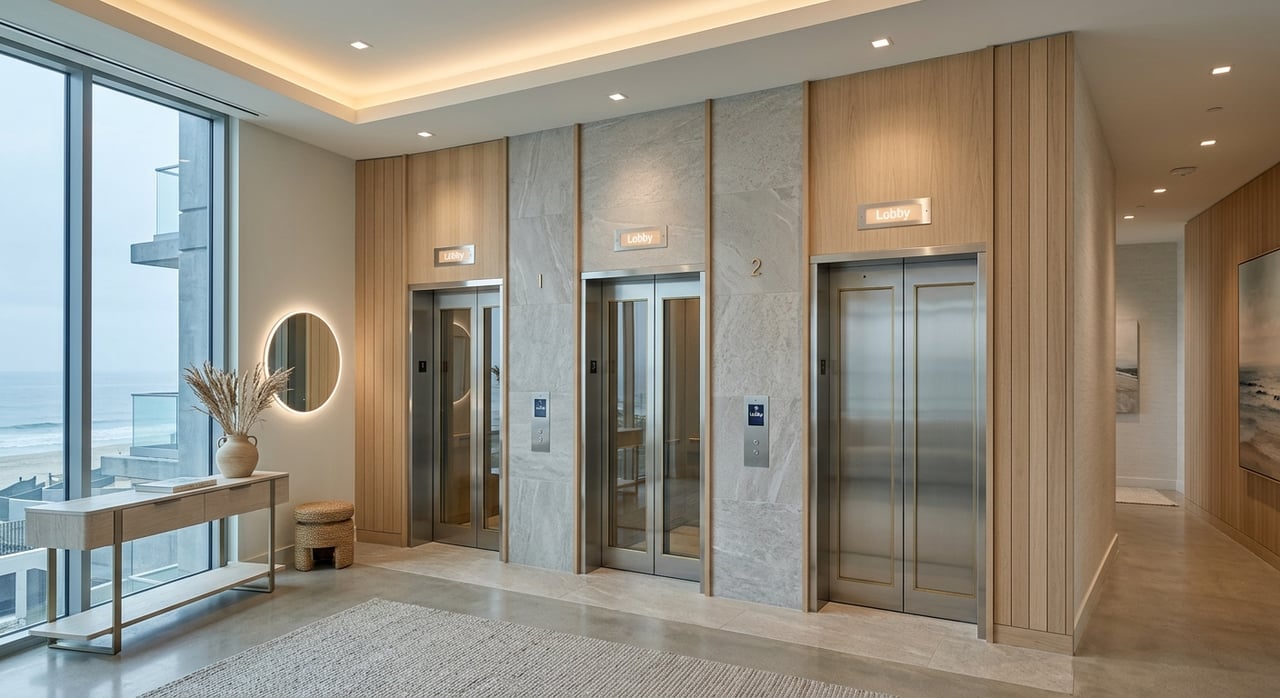
Westwood condo inventory spans multiple decades, and that affects everything from systems to amenities. Current examples in the area include a 1966 building with 15 units, elevator access, and a balcony, as well as a 1980 building with two deeded parking spaces, a gated garage, an elevator, and a rooftop spa and lounging area.
There are also higher-service properties along the Wilshire Corridor with features such as 24-hour concierge, on-site management, valet parking, a pool, a gym, conference space, and utilities included in HOA dues. In other words, Westwood condos can vary widely even within a short distance.
That is why it is important to compare buildings line by line. Instead of assuming all dues cover the same things, ask what is included, what has been updated, and which systems may need attention next.
California law requires reserve-study visual inspections at least once every three years. In condo projects with three or more attached dwelling units, associations must also complete exterior elevated element inspections at least every nine years.
These inspections cover items such as balconies, walkways, load-bearing components, and waterproofing, and the findings are incorporated into reserve planning. For many buyers, this is one of the most important building-condition topics to understand.
If a Westwood condo has balconies or elevated exterior elements, ask for the most recent inspection report and find out whether any repairs are recommended, underway, or still unfunded. This can help you avoid stepping into a building that looks fine cosmetically but has larger maintenance issues behind the scenes.
Parking is easy to overlook until you live with the wrong setup. In Westwood, current listings show a wide range of arrangements, including deeded spaces, assigned spaces, tandem parking, gated garages, and valet service.
The exact parking rights matter for your daily routine, especially if you have more than one car, frequent guests, or need storage. Parking configuration can also affect how future buyers see the property.
Before removing contingencies, verify:
California Civil Code 4745 limits HOA restrictions on EV charger installation in an owner unit or designated parking space, subject to reasonable restrictions and owner responsibilities. Even so, you should confirm the building’s actual process and any related costs before moving forward.
Rental restrictions are a major factor in both flexibility and resale. If you think you may keep the condo as a future investment, need the option to rent during a life change, or simply want broader resale appeal later, this topic deserves close attention.
California disclosure law requires the seller to provide a statement of rental restrictions. That means you should be able to review whether leasing is capped, delayed, limited, or prohibited before closing.
For some buyers, strict rental rules are not a problem. For others, they can change the long-term value of the purchase. The key is to know the rules before you commit, not after.
The best condo purchase is not only the one that works for you now. It is also the one that will make sense to the next buyer when it is time to sell.
In Westwood, resale often comes down to a short list of practical questions: Is the ownership type clear and straightforward? Are reserves healthy? Are special assessments likely? Is the parking useful? Are rental rules workable? Has the building kept up with required inspections and maintenance?
Location still matters, of course. Westwood’s long-term appeal is tied to its proximity to UCLA, Westwood Village, and Century City, but the planning context can vary by parcel. A condo in the right building, on the right block, with clear documents and manageable future costs, tends to stand out for both current use and future resale.
Some buyers looking in Westwood also compare nearby condos in places like Century City, Brentwood, or Santa Monica. That comparison can be useful because nearby inventory may offer a different balance of age, amenities, and pricing.
For example, current Century City listings include newer or more full-service options with features such as concierge service, EV charging, valet parking, large pools, tennis courts, and direct elevator access into private foyers. By contrast, some Westwood condos may offer an older building profile but a location that better fits your daily routine.
There is no one right answer here. The better question is what matters most to you: newer amenities, monthly carrying costs, planning context, parking convenience, or a specific Westside location.
When you are narrowing down options, keep your review simple and focused. Here is a practical checklist to bring into every showing and disclosure review:
A methodical review can help you separate a condo that only looks good online from one that truly supports your goals.
Buying a condo in Westwood is often less about finding the flashiest listing and more about understanding the full picture. When you evaluate HOA structure, building condition, parking, rental rules, and resale factors together, you give yourself a much better chance of making a confident decision. If you want experienced, neighborhood-level guidance as you compare Westwood options, connect with Stacy Young for thoughtful buyer representation on the Westside.
Stay up to date on the latest real estate trends.
Get assistance in determining current property value, crafting a competitive offer, writing and negotiating a contract, and much more. Contact me today.