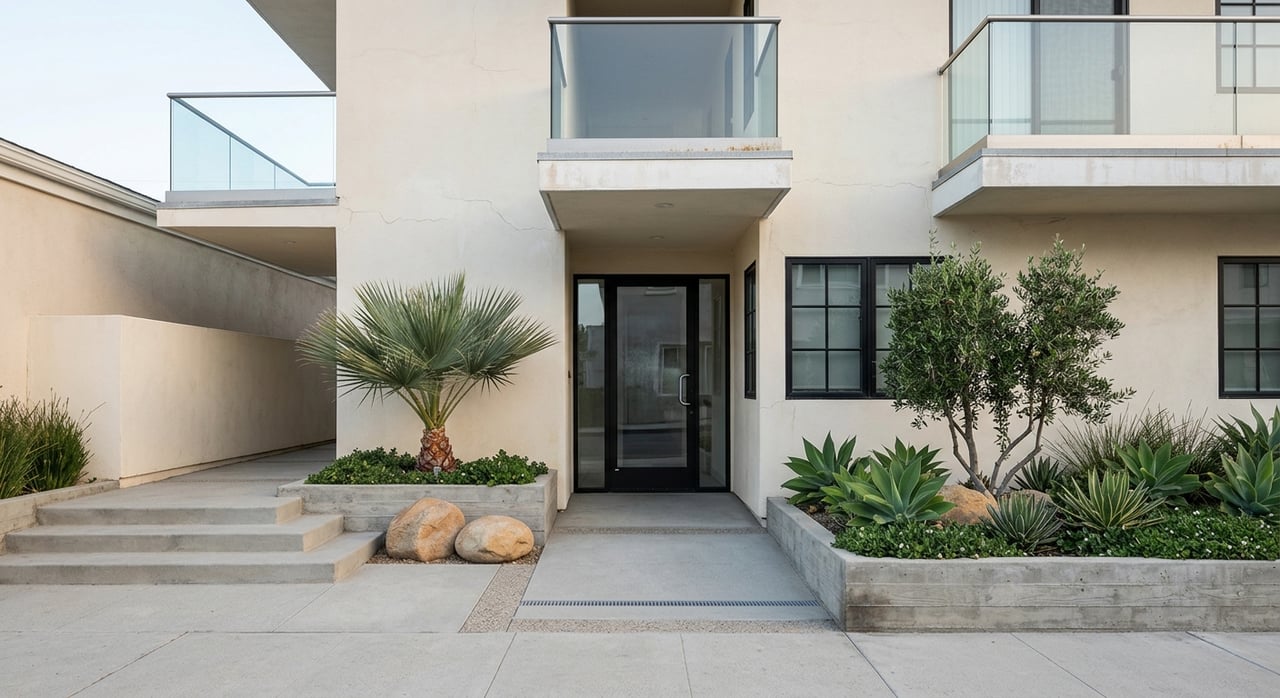
Santa Monica Neighborhood Comparison for Coastal Living
If you want a Santa Monica address, one question matters more than almost anything else: what kind of coastal lifestyle do you actually want day to day? In a city that spans just 8.3 square miles with three miles of Pacific beaches, your experience can feel very different from one neighborhood or corridor to the next. This guide will help you compare Santa Monica’s key areas so you can narrow your search based on beach access, housing style, transit, and daily routine. Let’s dive in.
Santa Monica is not one uniform beach market. The city organizes housing, retail, and daily activity into distinct neighborhoods and commercial corridors, including North of Montana, Wilshire-Montana, Ocean Park, Sunset Park, Pico, Mid-City, Northeast Neighbors, Downtown Santa Monica, Main Street, Montana Avenue, and Pico Boulevard.
That matters because your lifestyle here is often shaped less by broad city limits and more by what you use every day. In Santa Monica, the biggest differences usually come down to housing scale, beach adjacency, and whether your routine centers on a major corridor, a neighborhood street, or a transit connection.
If you want the most urban version of coastal living, Downtown Santa Monica is the clearest fit. The city describes Downtown as Santa Monica’s civic and economic heart, built around a pedestrian-focused grid, the Third Street Promenade, Santa Monica Place, and busy transit streets.
For many buyers, this is the place where the beach feels woven into daily life instead of saved for weekends. The Third Street Promenade sits in the heart of Downtown and is described by the city as just moments from the beach.
Transit access is also strongest here. Downtown Santa Monica station is served by the Metro E Line and local bus service, and 4th Street is identified by the city as Downtown’s busiest transit corridor.
Downtown often works best if you want:
The same features that make Downtown convenient also make it busier and more destination-oriented. If you want a quieter residential rhythm, another Santa Monica neighborhood may feel like a better match.
Ocean Park offers one of the strongest beach-lifestyle options in Santa Monica, especially if you want a neighborhood feel paired with everyday access to the coast. The neighborhood is bounded by Pico Boulevard, Lincoln Boulevard, the city boundary, and the Pacific Ocean, and it includes low- to mid-rise multifamily housing with interspersed single-family homes.
Main Street is the commercial spine here, and it sits about two blocks from the beach. The city describes it as primarily one-story buildings with neighborhood-serving retail and restaurant uses, which gives the area a more local-scale feel than the Downtown core.
Ocean Park also supports a walk- and bike-friendly routine. Ocean Park Boulevard has been upgraded as a Complete Green Street with wider sidewalks, bike lanes, marked crosswalks, and other pedestrian-oriented features.
Ocean Park is often a strong fit if you want:
Compared with Downtown, Ocean Park can feel more neighborhood-based and less urban. If rail access is a top priority, Downtown and areas near E Line stations may offer a clearer advantage.
North of Montana is usually the conversation starter when buyers want a more residential daily routine. The area is defined as the north side of Montana Avenue to the northern city limits, between Ocean Avenue and 26th Street, and includes about 5,200 homes.
City land-use descriptions characterize much of the area as lower-density, one- to two-story single-family housing on larger parcels, with some medium-density housing along Ocean Avenue. Montana Avenue itself is a ten-block, low-scale commercial corridor with neighborhood-serving retail and restaurants.
This combination tends to attract buyers who want Santa Monica coastal access without making the beach the main organizing feature of every day. You are still in Santa Monica, but the daily rhythm is typically more residential and less visitor-heavy.
North of Montana may suit you if you want:
If you picture stepping into a beach-centered routine every day, this area may feel less immediate than Downtown or Ocean Park. It is better thought of as residential-first with coastal convenience.
Wilshire-Montana is often one of Santa Monica’s most practical middle-ground choices. The city describes it as the area south of Montana Avenue and north of Wilshire Boulevard, between Ocean Avenue and 21st Street, developed with multifamily apartment buildings and scattered single-family homes.
For buyers comparing lifestyle options, Wilshire-Montana often offers a useful blend of access and residential feel. It sits relatively close to both the beach and Downtown, but many streets feel more residential than the Promenade core.
Transit is another plus. The Wilshire corridor is described by the city as a major transit corridor served by Big Blue Bus, Metro Rapid, and local bus service, with Big Blue Bus Route 2 running along Wilshire Boulevard.
Wilshire-Montana often works well if you want:
If your goal is either maximum beach immediacy or a more single-family residential setting, another neighborhood may align better. Wilshire-Montana is strongest as a middle-ground option.
Sunset Park and Pico usually appeal to buyers who care more about convenience, neighborhood movement, and long-term planning context than being closest to the sand. Sunset Park occupies the southeast portion of Santa Monica and is one of the city’s largest residential neighborhoods, with a mix of low-density multifamily and single-family housing.
Pico Boulevard is more corridor-driven and inland in its lifestyle. The city describes Pico’s commercial district as primarily one- and two-story retail and mixed-use buildings with a pedestrian orientation, and city bike-safety planning emphasizes connections from Pico to the Expo Bike Path and Metro stations.
A major long-term factor in Sunset Park is the Santa Monica Airport. The city states that the airport will close to aeronautical use on December 31, 2028, which means buyers here are also evaluating a neighborhood with an important future transition story.
These areas may fit best if you want:
Compared with Ocean Park or Downtown, these areas are generally less anchored to everyday beach use. If your top priority is coastal atmosphere from the moment you step outside, you may want to focus elsewhere.
If you are narrowing your search, these are often the most useful comparisons:
| Lifestyle goal | Best areas to explore |
|---|---|
| Beach-first daily routine | Downtown / Ocean Avenue, Ocean Park / Main Street |
| Quieter residential feel with solid access | North of Montana, Wilshire-Montana |
| Rail-oriented commute | Downtown and areas near E Line stations |
| Bus and corridor-oriented living | Wilshire, Main Street, Ocean Park, Montana, Pico |
| Local convenience over beach proximity | Sunset Park, Pico |
Even within the same neighborhood, block-level differences matter. A smart Santa Monica home search usually gets clearer when you ask a few practical questions early.
There is a big difference between living near the beach on paper and having it shape your routine. Downtown and Ocean Park are generally the strongest answers if you want the coast to be part of normal weekday life.
Some buyers love being near Santa Monica’s best-known destinations. Others prefer commercial streets that feel more neighborhood-serving, like Montana Avenue, parts of Wilshire-Montana, or Pico Boulevard.
If rail is important, Downtown and areas near E Line stations stand out. If your routine depends more on bus service, Wilshire, Main Street, Ocean Park, and Pico are useful places to compare.
Some buyers want a neighborhood with a steady, established pattern. Others are open to areas with a longer-term evolution story, which makes Sunset Park an important case to evaluate because of the airport closure timeline.
The best Santa Monica neighborhood is rarely the one with the biggest name. It is the one that matches how you want to live, whether that means beach walks before work, a quieter residential setting, easier transit, or a more convenience-focused routine.
That is why comparing neighborhoods here is so valuable before you start writing offers. When you understand how Downtown, Ocean Park, North of Montana, Wilshire-Montana, Sunset Park, and Pico function in everyday life, you can search with more confidence and make better decisions.
If you want help narrowing down Santa Monica neighborhoods based on your goals, housing type, and lifestyle priorities, connect with Stacy Young for personalized Westside guidance.
Stay up to date on the latest real estate trends.
Get assistance in determining current property value, crafting a competitive offer, writing and negotiating a contract, and much more. Contact me today.