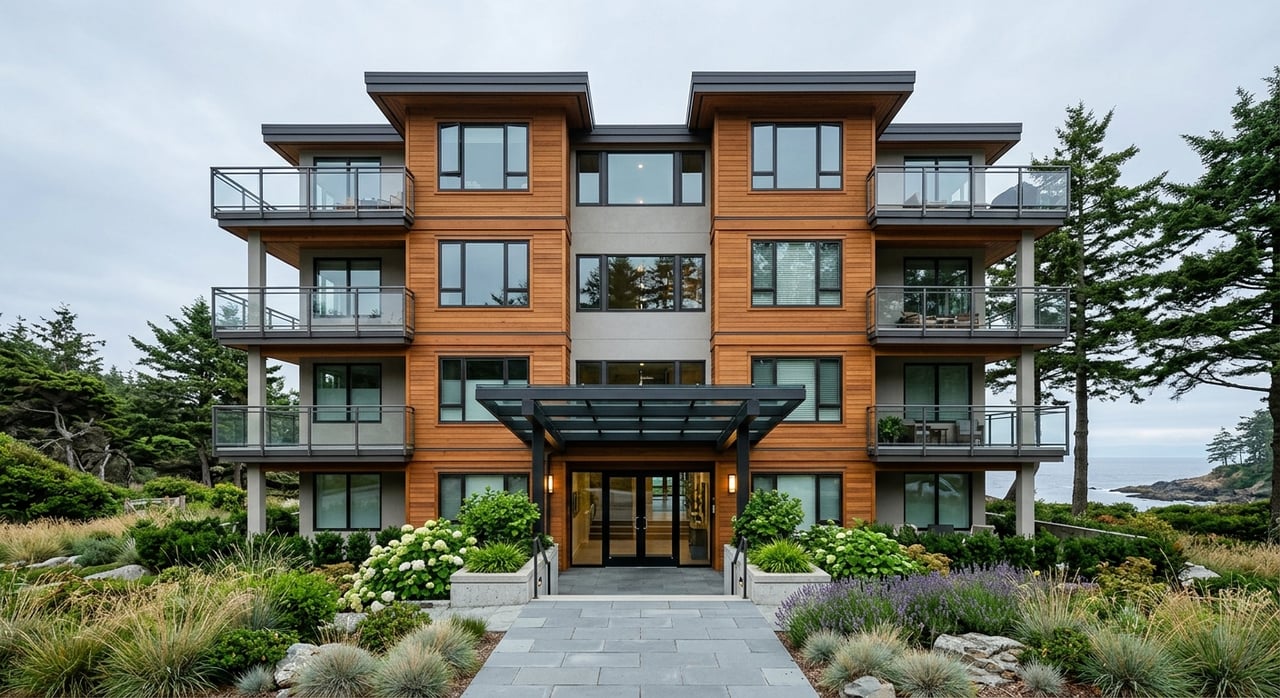
How to Evaluate a Santa Monica Condo Investment
If you are thinking about buying a Santa Monica condo as a long-term investment, the real question is not just whether Santa Monica is desirable. It is whether a specific unit, in a specific building, with a specific HOA and rental profile, makes sense for your goals. In a premium coastal market where pricing stays high but buyers have become more selective, careful evaluation matters more than hype. Let’s dive in.
Santa Monica remains one of the highest-value housing markets in the region, even after a softer stretch. Zillow’s Santa Monica market data shows an average home value of $1,703,948, down 0.5% over the past year, with homes going pending in around 39 days.
That tells you two important things. First, demand is still there. Second, this is not a market where you can count on short-term momentum alone to carry a weak purchase.
That more selective backdrop supports a long-term mindset. If you are evaluating condos in Santa Monica, you want to focus less on quick appreciation and more on the qualities that tend to hold value over time.
Citywide numbers can be useful, but they only give you a starting point. Santa Monica is highly segmented, and condo values can vary a lot depending on the exact location, building type, and overall condition.
According to Zillow’s neighborhood-level figures, values range from roughly $1.12 million in Downtown/Third Street Promenade to about $4.86 million in North of Montana. Areas like Ocean Park, Wilshire/Montana, and Santa Monica Pier/Ocean Avenue also sit in different pricing bands.
For you as a buyer, that means a condo should be evaluated block by block and building by building, not just by using a citywide average. Two units with similar square footage can perform very differently over time if one sits in a better-run building or a more consistently desirable pocket.
For long-term condo investing, the HOA is often one of the biggest variables. A beautiful unit in a weak association can become expensive to own in ways that are not obvious during a quick showing.
The California Department of Real Estate notes that HOAs are required to prepare a yearly budget and review reserve-account needs for major common-area components at least once every three years. It also warns that special assessments can reach the tens of thousands of dollars.
That is why HOA due diligence matters so much in Santa Monica. Before you treat a condo as a serious long-term investment, ask for:
A well-funded HOA can help protect your resale value and reduce surprise costs. An underfunded one can quietly erode your returns over time.
Many Santa Monica condos are in older buildings or condo-conversion projects, and that can create both opportunity and risk. Cosmetic updates may look appealing, but they do not always tell you much about the condition of the building itself.
The California DRE’s residential subdivision guidance warns that older condo-conversion projects may have significant infrastructure needs, including roofs, exterior paint, plumbing, electrical systems, and other common elements. In other words, a remodeled kitchen does not mean the building is financially or physically sound.
When you are evaluating a unit for a long hold, pay close attention to the life cycle of major systems. Deferred maintenance often turns into higher dues, special assessments, or reduced buyer demand later.
A Santa Monica condo can be attractive as a long-term rental, but only if the numbers and legal framework make sense. Public rent data can give you a broad sense of demand, though it should not be treated as a perfect condo-only forecast.
Zillow’s rental market trends for Santa Monica show an average rent of $3,400, with studios at $2,050, one-bedrooms at $2,795, two-bedrooms at $3,900, and three-bedrooms at $5,408. Zillow also describes the rental market as warm and reports 871 available rentals.
That suggests there is ongoing rental demand, especially for condos with practical features buyers and renters tend to value over time, such as:
Still, rentability is not just about demand. It is also about local rules.
If you are underwriting a Santa Monica condo as an investment, it is important to understand that the city strongly favors long-term housing. This is not a market to approach with an Airbnb-style strategy.
The city’s 2025 Rent Control Information Sheet states that rental units must be rented unfurnished for an initial term of not less than one year and only to natural persons intending to use the unit as their primary residence. The same sheet also notes that while home-sharing may be legal when requirements are met, short-term rentals of an entire dwelling unit are not legal.
That has a direct impact on your investment assumptions. If you are considering a Santa Monica condo, you should evaluate it as a long-term rental asset, not a short-term income play.
One of the biggest mistakes condo buyers can make is assuming all Santa Monica units follow the same rental rules. They do not.
According to the city’s new housing construction exemption guidance, most properties built after April 10, 1979 qualify for a permanent new-construction exemption. The city also notes that owners of single-family homes or separately sold condominiums should review eligibility criteria for a permanent exemption or a two-year owner-occupancy exemption.
The key takeaway is simple: verify the exact unit status before you underwrite future rent growth. A condo’s investment profile can change meaningfully depending on its exemption status, building history, and ownership structure.
Santa Monica has a long track record as a premium coastal market, but public appreciation data should be used carefully. Most broad market figures are not condo-only series, so they are better as directional benchmarks than exact forecasting tools.
For example, Zillow’s current Santa Monica data shows a -0.5% one-year change in home value, while Redfin’s snapshot in the research points to a much steeper year-over-year median price decline. That gap is a good reminder that market-wide figures can vary based on methodology and housing mix.
There is, however, evidence of meaningful long-term value growth. In Zillow’s archived 3Q 2006 Los Angeles quarterly report, Santa Monica condominium value was listed at $738,439. That is not a like-for-like comparison with today’s broader market data, but it does support the idea that patient ownership in Santa Monica has historically been rewarded.
For you, the practical lesson is this: long-term results usually come from buying the right condo, not just buying in the right city.
If you want a Santa Monica condo to perform well over time, focus on fundamentals you can actually verify. A strong candidate usually checks several boxes at once.
Here are the key questions to ask:
This kind of review can help you avoid the most expensive condo-investment mistakes. It also helps you compare opportunities with a clearer lens.
In Santa Monica, the best condo investments are rarely the flashiest ones. More often, they are the units in stable buildings with clear HOA finances, practical layouts, and a legal path for long-term rental use.
That is especially true in a market where pricing remains premium, but buyers are paying closer attention to details. If you stay disciplined and evaluate each opportunity on its own merits, you can make a much more confident long-term decision.
If you are weighing Santa Monica condos and want local guidance grounded in real building-level context, connect with Stacy Young. She can help you evaluate options across the Westside and coordinate the next steps with the right professionals for your goals.
Stay up to date on the latest real estate trends.
Get assistance in determining current property value, crafting a competitive offer, writing and negotiating a contract, and much more. Contact me today.