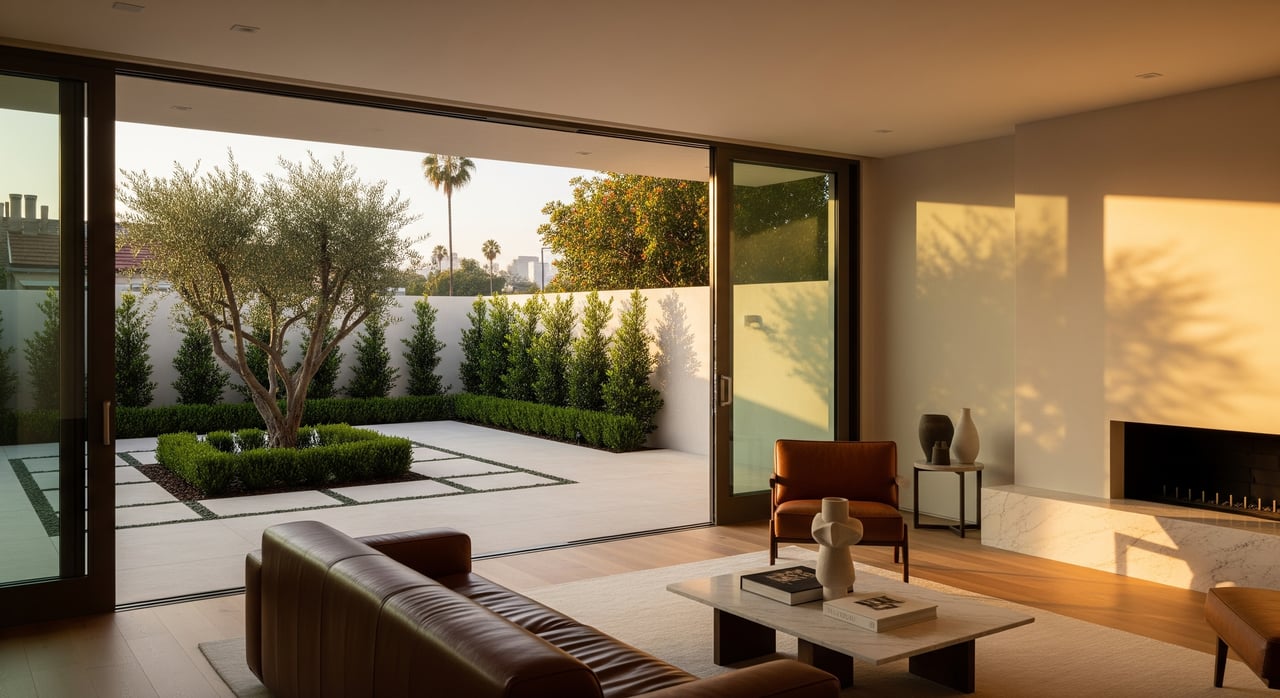
Westwood Condo vs House: Costs, Risks and How to Choose
Choosing between a condo and a house in Westwood can feel like a tug-of-war between walkable convenience and personal space. You want a home that fits your lifestyle, your budget, and your risk comfort, especially in a neighborhood near UCLA where inventory is tight and buildings vary widely by age and upkeep. In this guide, you’ll learn how to compare total cost of ownership, HOA health, parking realities, maintenance, and seismic risk so you can move forward with confidence. Let’s dive in.
If you want to be close to Westwood Village and UCLA, many condos put you within blocks of restaurants, shops, and campus. That walkability often comes with more building activity and shared spaces. Houses tend to sit on quieter streets farther from the commercial core, which can mean more privacy and outdoor space but more driving for daily errands.
Condos can have shared walls, elevators, and common areas. Buildings near campus may see more visitor traffic and some student renters. Single-family homes generally offer more separation from neighbors and less common-area noise.
Condos come with HOA rules that can affect pets, rentals, and short-term stays. Houses offer more control over how you use and improve your property, within city regulations.
A smart choice starts with a full monthly and long-term cost picture. Use this side-by-side snapshot as a starting point and confirm the specifics for any property you consider.
| Cost Item | Condos in Westwood | Houses in Westwood |
|---|---|---|
| Purchase price | Often a lower entry point into the area | Typically higher entry price due to land value |
| Property taxes | About 1% of assessed value plus local assessments, reset at transfer | Same rules apply |
| Insurance | HO-6 policy for interiors and personal property; confirm master policy coverage; consider earthquake coverage | HO-3 homeowner policy for structure and contents; consider earthquake coverage |
| HOA dues | Monthly dues fund common areas, insurance, and reserves; check what utilities are included | None, but owner pays all maintenance and insurance |
| Maintenance | HOA handles exteriors and common systems; you handle interior repairs | You are responsible for all interior and exterior upkeep |
| Special assessments | Possible for capital projects or seismic retrofits if reserves are low | Not applicable, but you may face large one-time repair costs |
| Parking | Assigned spaces or garages; verify guest parking and EV policies | Driveways/garages common; check permit rules for on-street parking |
| Resale drivers | Building health, reserves, rules, and unit demand | Land value and property condition |
Create a simple worksheet for each property:
Before you commit, request the current budget and financials, the most recent reserve study, reserve balance, 12 to 24 months of board meeting minutes, CC&Rs and bylaws, the master insurance declarations, any litigation disclosures, and the unit ledger for unpaid dues. Also ask for any building inspection or capital expenditure plans.
A current reserve study and a realistic funding plan are key. Low reserves or deferred maintenance raise the risk of future special assessments. If seismic work is required or planned, confirm how the HOA will fund it and whether dues or assessments will increase.
Near UCLA, rental and short-term rental rules can affect your plans and resale. Review pet policies, subletting rules, owner-occupancy levels, and how board decisions are made. Look for a history of stable governance and transparent communication.
Many buildings offer assigned or subterranean parking. Count how many spaces you get, ask about guest parking, and review EV charging policies. Near Westwood Village, street parking is competitive and some areas use Residential Permit Parking. Confirm current rules before you buy.
Most homes include a driveway or garage, but street parking rules can affect guests. Tandem parking and smaller lots can be tight for multiple vehicles, so measure and plan ahead.
Bus lines, UCLA shuttles, and regional Metro service shape daily travel. The Metro Purple Line extension is planned to reach Westwood, which could change traffic patterns and demand in the future. Verify the latest timeline and station details during your search.
The HOA typically maintains exteriors, roofs, elevators, façades, common plumbing and electrical, landscaping, and building insurance for common elements. You are generally responsible for interior finishes, appliances, and in-unit systems. Confirm the boundary of responsibility in the CC&Rs.
You handle everything inside and out, including roof, foundation, exterior paint, HVAC, plumbing, landscaping, fences, and pest control. Budget for routine upkeep and periodic big-ticket items.
Older low-rise wood-frame buildings with large openings at the ground level, often called soft-story, have known vulnerabilities. Some older houses can have issues such as unreinforced masonry or older chimneys, and hillside lots may require geotechnical review. Many Westwood buildings were built before modern seismic codes, so verification is essential.
For condos, the HOA is responsible for building-level structural work, but the cost is typically passed to owners through reserves, increased dues, special assessments, or HOA loans. For single-family homes, the owner pays directly for any retrofit work.
Choose a condo if you want walkability, shared maintenance, and a lower entry price, and you are comfortable with HOA rules and the possibility of special assessments. Choose a house if you want more privacy, outdoor space, and control over improvements, and you are prepared for full maintenance and higher upfront costs. In both cases, verify financing early, especially for condos where the building must meet lender guidelines.
Ready to compare real homes and buildings in Westwood with someone who knows the streets, the HOAs, and the process inside and out? Reach out to Stacy Young for neighborhood-first guidance and a clear plan that fits your lifestyle and budget.
Stay up to date on the latest real estate trends.
Get assistance in determining current property value, crafting a competitive offer, writing and negotiating a contract, and much more. Contact me today.