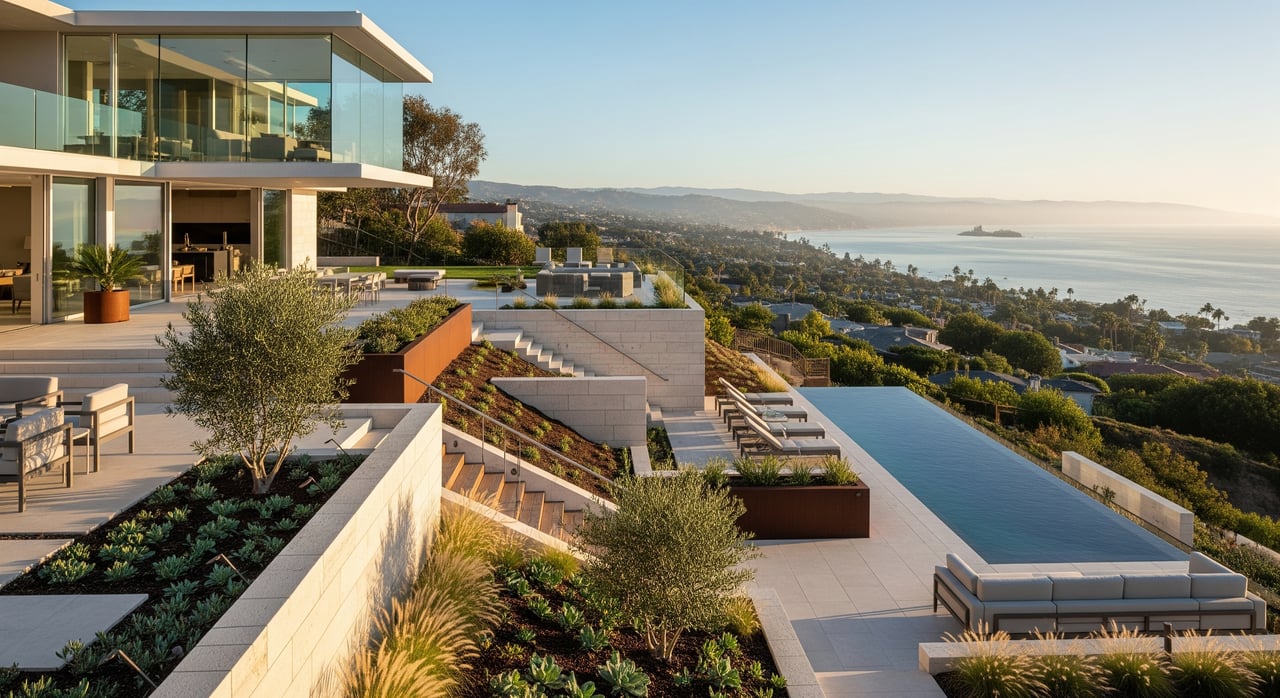
Baseline Hillside Ordinance for Pacific Palisades Homes
Thinking about adding a level, reworking a driveway, or building new on a sloped lot in Pacific Palisades? If your property sits on a hillside, the City’s Baseline Hillside Ordinance sets the guardrails that shape what is possible and how you get permits. You want a clear path that avoids surprises, extra hearings, or costly redesigns. This guide explains the BHO basics, how it typically applies in the Palisades, and which experts to bring in early so you can move forward with confidence. Let’s dive in.
The Baseline Hillside Ordinance is a City of Los Angeles planning policy that establishes objective rules for hillside development. When your design meets those standards, the City can approve it ministerially, which means by right. The goal is to limit grading and visual impacts on steep terrain while streamlining predictable approvals for compliant projects.
Many Pacific Palisades homes are on sloped parcels next to the Santa Monica Mountains and Topanga State Park. If your address is in the City’s mapped hillside areas, the BHO likely applies. Some Palisades properties also sit in the Coastal Zone or within other overlays, which can add coastal permitting on top of City rules. Always verify your parcel’s status early.
The BHO works alongside other requirements. You still need to comply with building and grading codes, fire access and defensible space, street and curb work, stormwater controls, and protected tree rules. Think of the BHO as setting the objective limits while the other agencies handle technical safety and infrastructure standards.
The City wants you to build with the land, not against it. BHO standards limit the extent and location of cut and fill, especially near ridgelines and visible slopes. Large grading volumes can trigger added reviews, haul-route approvals, and erosion control measures. Expect to provide geotechnical and civil plans, and plan for permits through the Department of Building and Safety.
Common questions include how much soil you can import or export and how high retaining walls can be. The answer depends on your site’s slope and configuration. A geotechnical engineer will help you compare options like caissons and piers versus mass excavation.
Safe daily access and emergency response are top priorities on hillside streets. The BHO sets objective standards for driveway slope, length, and curb-cut placement. The Fire Department has separate access and turnaround requirements that can affect garage location and site layout.
On narrow or steep Palisades streets, you may need a switchback or stepped driveway to meet the standards. Changes in the public right of way, like a new curb cut or street work, typically require permits and bonding through the Bureau of Engineering.
You can often add to a hillside home if you minimize new disturbance and visible bulk. The BHO focuses on siting and grading impacts rather than a simple across-the-board size cap. Some larger remodels stay ministerial when they meet all objective standards. If you need exceptions or create impacts outside the rules, you move into discretionary review.
A second story or expanded footprint may be feasible if it avoids excessive grading, respects setbacks, and stays clear of sensitive view areas. Early design that steps the building to the slope will help keep the project by right.
The City aims to preserve skyline silhouettes and public views. If your lot sits near a ridgeline or is visible from public vantage points, BHO standards guide where you can place new mass. In the Palisades, view sensitivity is often high due to nearby open space and scenic corridors. Designing below the ridge and avoiding new silhouettes usually leads to a smoother path.
Protected trees require permits for removal or major pruning, and the City may require mitigation or replacement planting. At the same time, the Fire Department requires defensible space and fuel modification around structures. Your team will balance tree protection with wildfire clearance, erosion control, and slope stability. Landscaping plans are a typical part of the permit set.
Start with a parcel-level check. The City’s zoning tools and hillside maps show whether your lot is in a mapped hillside area or the Coastal Zone. If it is, the BHO applies and a Coastal Development Permit may also be needed depending on your location and scope.
If you are unsure, schedule a pre-application conversation with City Planning or visit the counter. A quick confirmation now can save months later.
City Planning administers the BHO and confirms whether your concept is ministerial or requires discretionary review. Use a pre-application meeting to test feasibility and identify constraints early.
LADBS issues building and grading permits and checks structural, foundation, and retaining-wall plans. Expect to submit complete geotechnical and civil documentation for hillside work.
LAFD enforces access, turnaround, road-width, and defensible-space rules. On hillside streets, fire access can shape driveway design and garage placement. Get feedback early to avoid redesigns.
These teams handle curb cuts, street improvements, drainage, and haul routes. Street work usually requires bonding and inspections. If you plan to change the curb or driveway location, factor in this process.
If your property sits in the Coastal Zone, a Coastal Development Permit may apply. Administration can vary by location and scope, so confirm requirements before finalizing design.
Projects that meet all BHO standards typically proceed as ministerial approvals. With complete technical reports, plan check and permits can take weeks to a few months. Timelines vary with plan quality and agency workload.
If your design needs exceptions or triggers other discretionary reviews, expect a longer path. Hearings, environmental review, and potential appeals can extend the process to many months or more than a year.
The most common delays come from incomplete geotechnical data, access and turnaround issues, protected tree conflicts, major grading and haul-route mitigations, and coastal review. Solid preparation shortens the timeline.
The right team protects your budget and keeps you in a by-right lane.
Engaging a geotechnical engineer, civil engineer, and architect at feasibility can reduce grading volumes, avoid ridgeline conflicts, and help you stay ministerial. Early coordination with City Planning, LADBS, and LAFD flags non-negotiable items before you spend on design iterations.
Even with a ministerial path, plan for upfront professional fees and multiple technical reports before construction. On steep sites, grading, shoring, and haul routes can be major cost drivers. Street and curb work also adds to site costs.
Set realistic contingencies for geotechnical discoveries or drainage upgrades. Ask your contractor for early ballpark estimates based on your slope, access, and expected grading approach.
You do not have to navigate this alone. With three decades helping Westside homeowners buy, sell, and plan improvements, Stacy Blair Young can connect you with trusted hillside pros and help you weigh resale considerations before you break ground. If you are considering a move or want to understand how a remodel might affect your home’s marketability, Request Your Free Home Valuation.
Stay up to date on the latest real estate trends.

Get assistance in determining current property value, crafting a competitive offer, writing and negotiating a contract, and much more. Contact me today.