Living in Pacific Palisades: Village, Canyons & Bluffs
Thinking about a move to Pacific Palisades? You’ve probably heard about the friendly Village vibe, the ocean bluffs, and trailheads that seem to start right from the neighborhood. If you want a coastal lifestyle with quick access to coffee, parks, and the beach, this guide will help you see how daily life actually works here. You’ll learn about the Village, bluff and canyon living, housing types, transportation, and what to watch for as a buyer or future downsizer. Let’s dive in.
Pacific Palisades sits on Los Angeles’ Westside between the Santa Monica Mountains and the Pacific Ocean. You are west of Brentwood and north of Santa Monica, with coastal bluffs, canyons, and neighborhood streets fanning out from a compact town center.
Everyday life feels residential and relaxed. Many residents run errands in the Village, head to the beach or mountain trails, and commute by car to jobs across the Westside. You will see a mix of single-family homes, some condos and townhomes, and pockets of apartments near main corridors.
The Village is where you grab coffee, handle dry cleaning, and run into neighbors. The retail mix includes boutique shops, restaurants, fitness studios, and markets. For an up-to-date look at retailers and events, check the Palisades Village official site.
Walkability is strongest in and around this core. If you want to do errands on foot, look for homes or condos within a short distance of the Village. Street parking can be tight on some blocks, so confirm guest parking options when you tour.
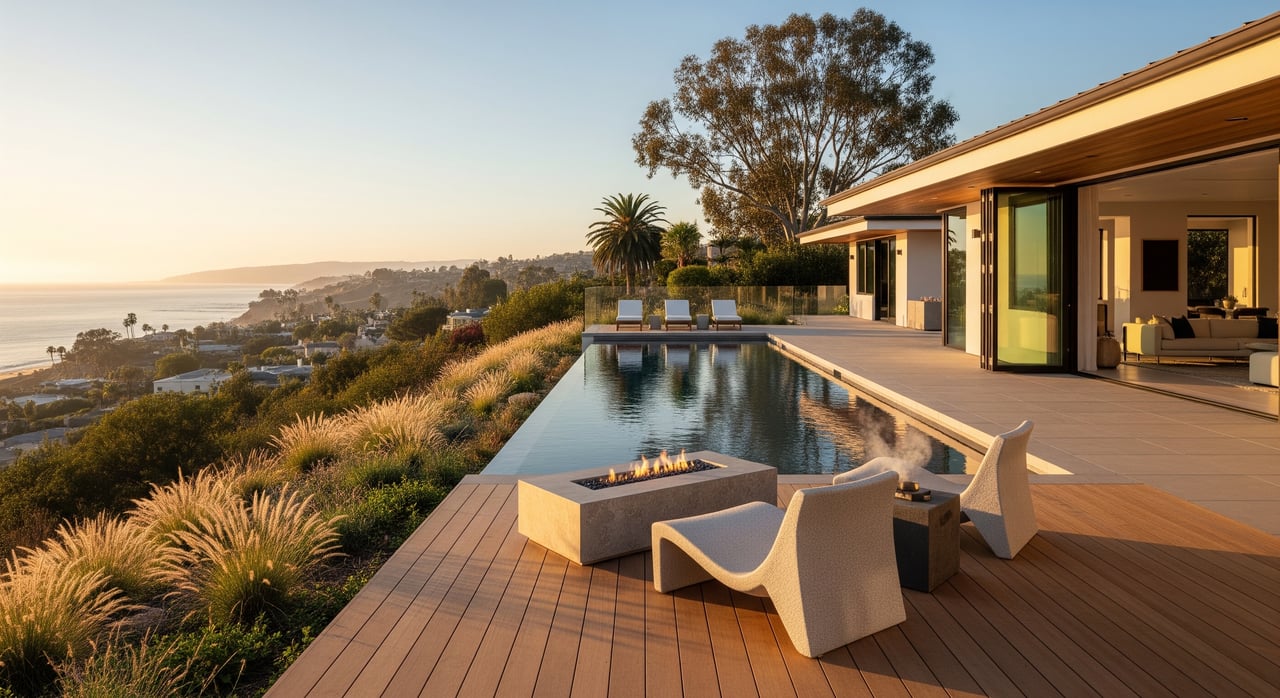
Bluff and ridge-line homes deliver sweeping views and coastal air. Many sit on larger or sloped lots, and some areas include public bluff-top paths. These locations often command a premium for outlook, privacy, and proximity to the coast.
If you are considering a bluff-edge or steep-slope property, factor in geotechnical diligence and potential coastal permitting. Renovations and repairs near the bluff may require a Coastal Development Permit through the California Coastal Commission. Build time and costs can be higher on these lots.
Canyon neighborhoods like Temescal, Rustic, and Marquez feel leafy and calm. You will find a mix of older cottages, mid-century homes, and newer builds, often with direct trail access. For city park access nearby, see Temescal Canyon Park.
Terrain can vary, so check driveways, stairs, and hillside conditions if you want easier mobility over time. Wildfire preparedness also matters more in canyon areas, which sit closer to open space.
Outdoor time is a core part of Palisades living. Popular options include morning hikes, beach afternoons, and sunset walks along the bluffs. You can explore the house museum and trail network at Will Rogers State Historic Park, or spend low-key days at Will Rogers State Beach.
On weekends, you will see runners, cyclists, surfers, and families enjoying these public spaces. Many residents plan weekly routines around trailheads and coastal access, especially in good weather.
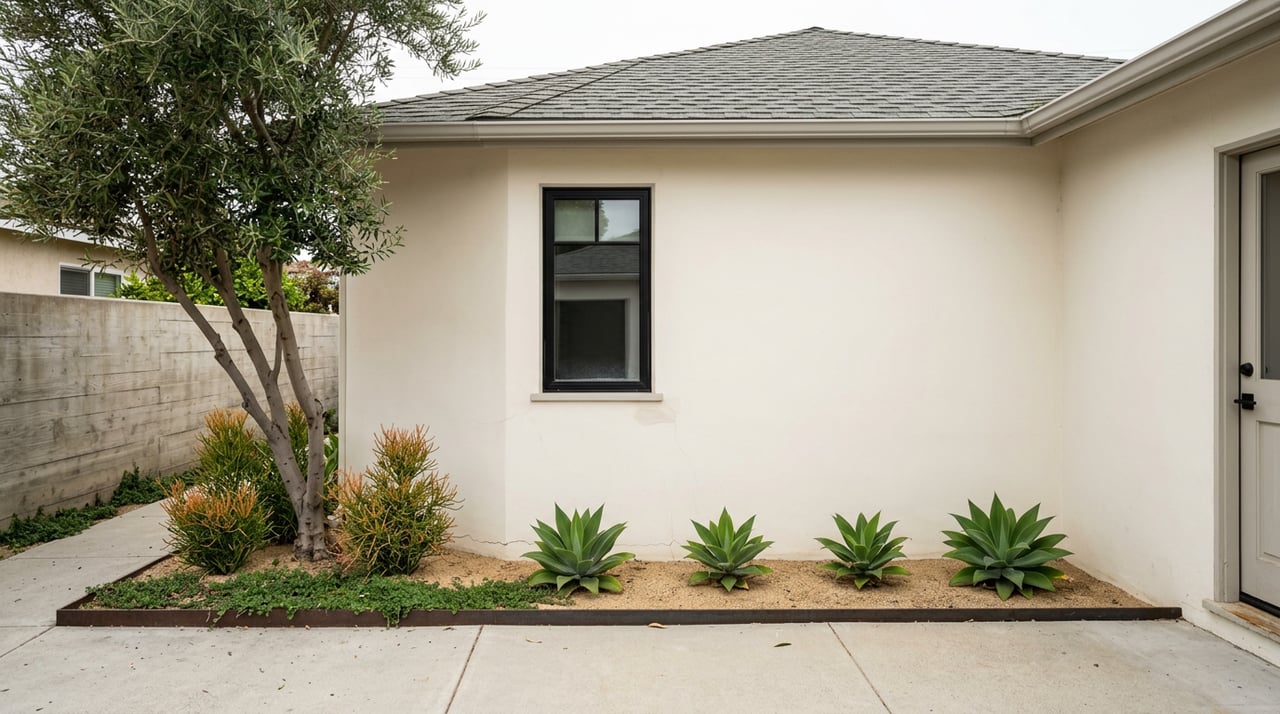
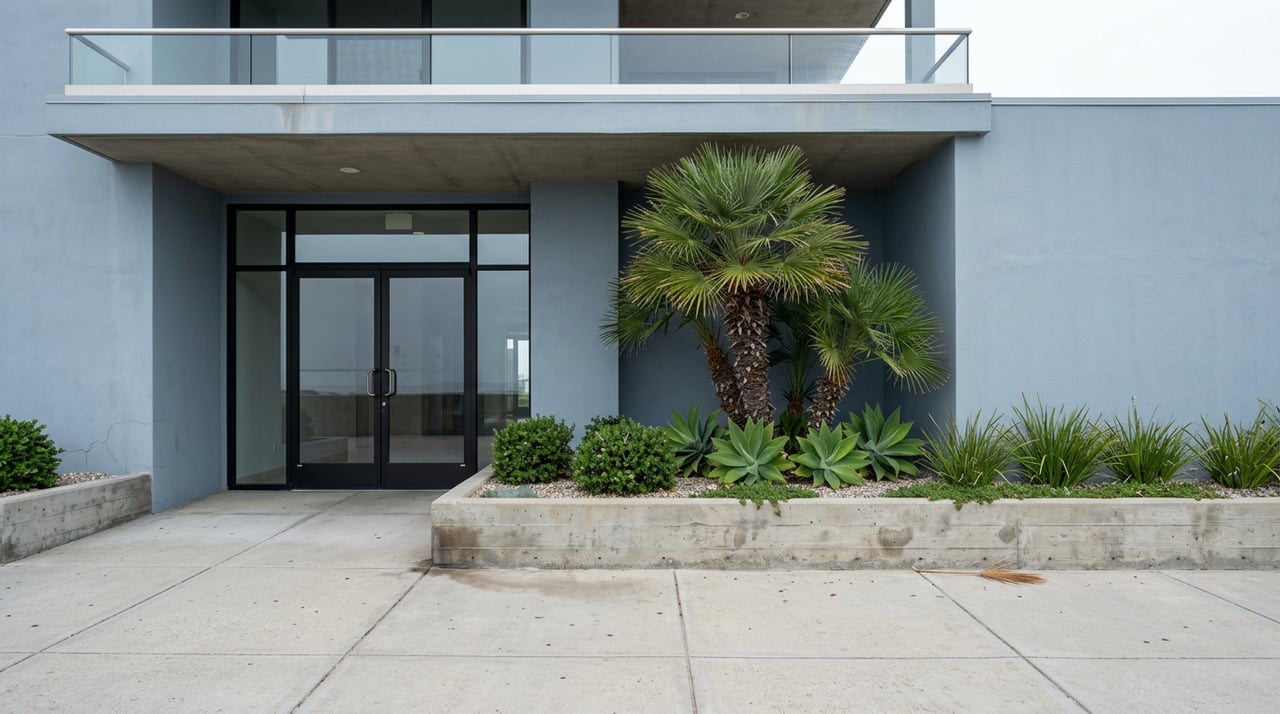
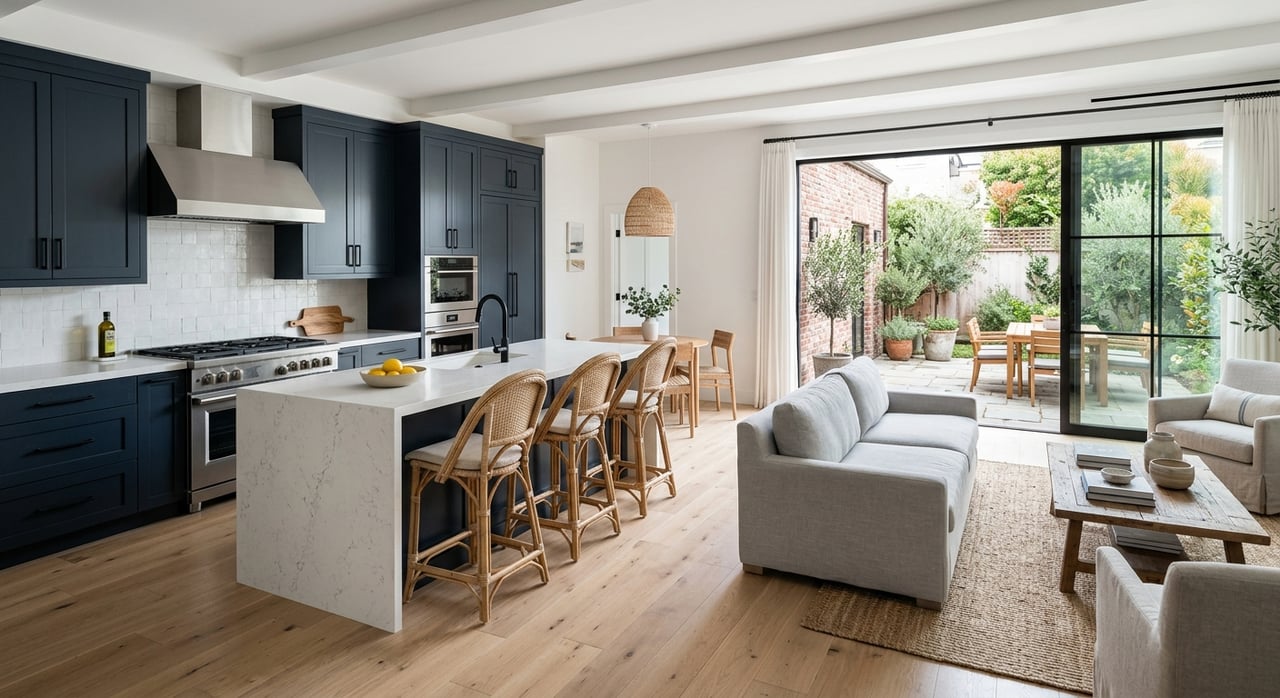
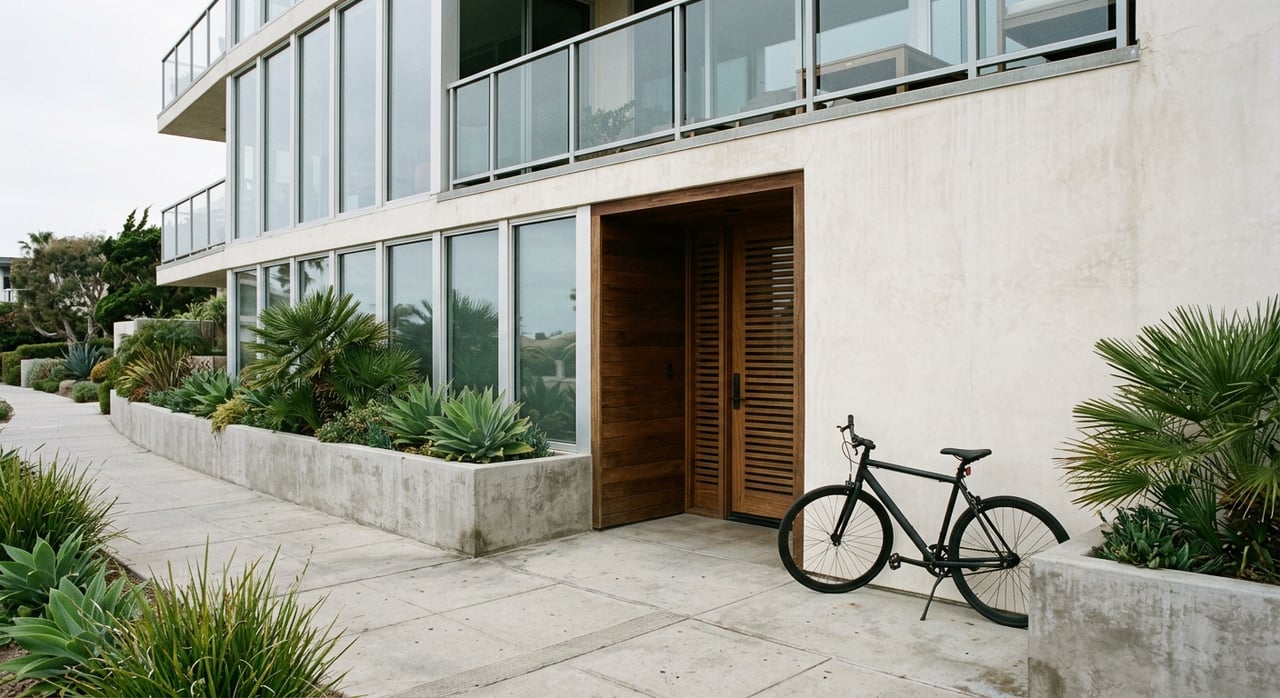
Single-family homes dominate the Palisades. Styles range from mid-century and ranch to Spanish and contemporary. You will also find smaller single-level homes and some townhomes or condos, especially near main corridors and the Village.
Inventory is often tight on the Westside, and well-located, well-presented homes can draw strong interest. Expect price tiers that reflect views, lot size, and proximity to the Village and trails. Condos and smaller single-family homes can be good options for downsizers who want less maintenance.
If you are considering a condo or townhome, review HOA rules, fees, reserves, and parking. To understand zoning and permit history for a specific parcel, the City’s ZIMAS tool can help you research details through Los Angeles City Planning.
The Palisades is car-oriented, with most people using Sunset Boulevard, Pacific Coast Highway, and connections to I-10 or I-405. Commute times can swing from manageable to long depending on traffic and time of day.
Public transit is available but less frequent than in denser parts of Los Angeles. The Santa Monica Big Blue Bus routes and schedules connect the Palisades with Santa Monica and nearby areas. The Village is the most walkable part of the neighborhood, while many residential streets require a car for errands.
Public and private school options serve the area. The neighborhood public high school is Palisades Charter High School. Families with school needs often consider proximity to specific campuses, while downsizers may prioritize access to healthcare and services.
Basic services such as grocery stores, pharmacies, and medical offices are available locally or nearby in Santa Monica, Brentwood, and West LA. Major hospitals are reachable by car across the Westside.
Wildfire risk is part of life near the Santa Monica Mountains. Brush clearance and defensible space are important for hillside and canyon homes. Review requirements through the Los Angeles Fire Department brush clearance program, and check Fire Hazard Severity Zone maps via CAL FIRE.
Coastal bluffs face erosion and stability issues. Before buying on or near a bluff or steep slope, request recent geotechnical and structural reports and confirm any past or pending erosion repairs. Renovations near the coastline may require permits from the California Coastal Commission.
Earthquake risk is region-wide. Consider earthquake insurance and ask about seismic upgrades like foundation bolting or retrofits, especially in older homes.
If you want a coastal neighborhood with a small-town center, direct access to trails and the beach, and a broad mix of single-family homes, the Palisades delivers. You trade some commute predictability and car dependence for ocean air, open space, and a tight daily routine around the Village.
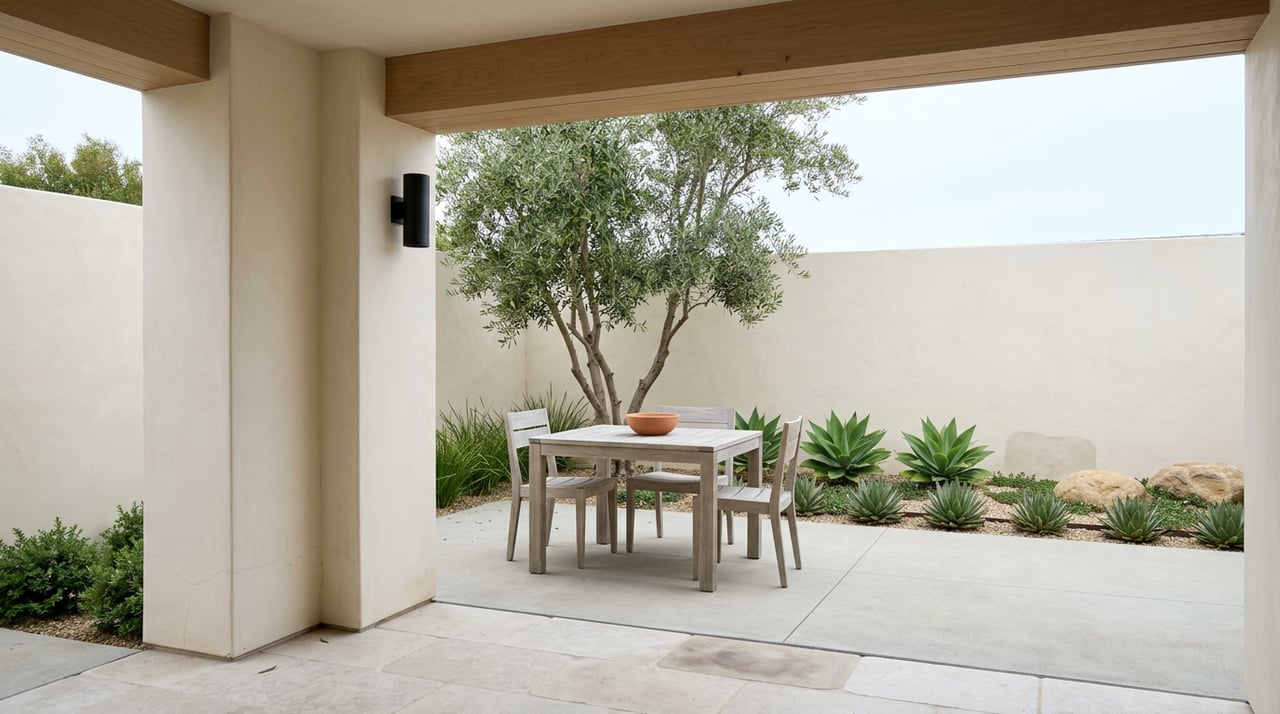
For resale, features that tend to draw interest include walkable Village proximity, ocean views, updated systems, and low-maintenance yards. If you are planning to downsize, focus on single-level living or elevator access, and compare total carrying costs, including taxes, insurance, and any HOA fees.
Ready to explore homes that fit your lifestyle and budget in Pacific Palisades? Connect with Stacy Young for local guidance and a clear plan from first tours to closing.
Stay up to date on the latest real estate trends.
Get assistance in determining current property value, crafting a competitive offer, writing and negotiating a contract, and much more. Contact me today.