Marina del Rey Condo Amenities, HOA Dues & Resale Insight
Picture your morning starting with a walk along the harbor, salt air in the breeze and sailboats drifting by. If you are considering a condo in Marina del Rey, the right amenities can make that picture your daily life. They also affect your monthly HOA dues and the future resale of your home. In this guide, you’ll learn which amenities matter most in Marina del Rey, how they influence costs and value, and how to evaluate them with confidence. Let’s dive in.
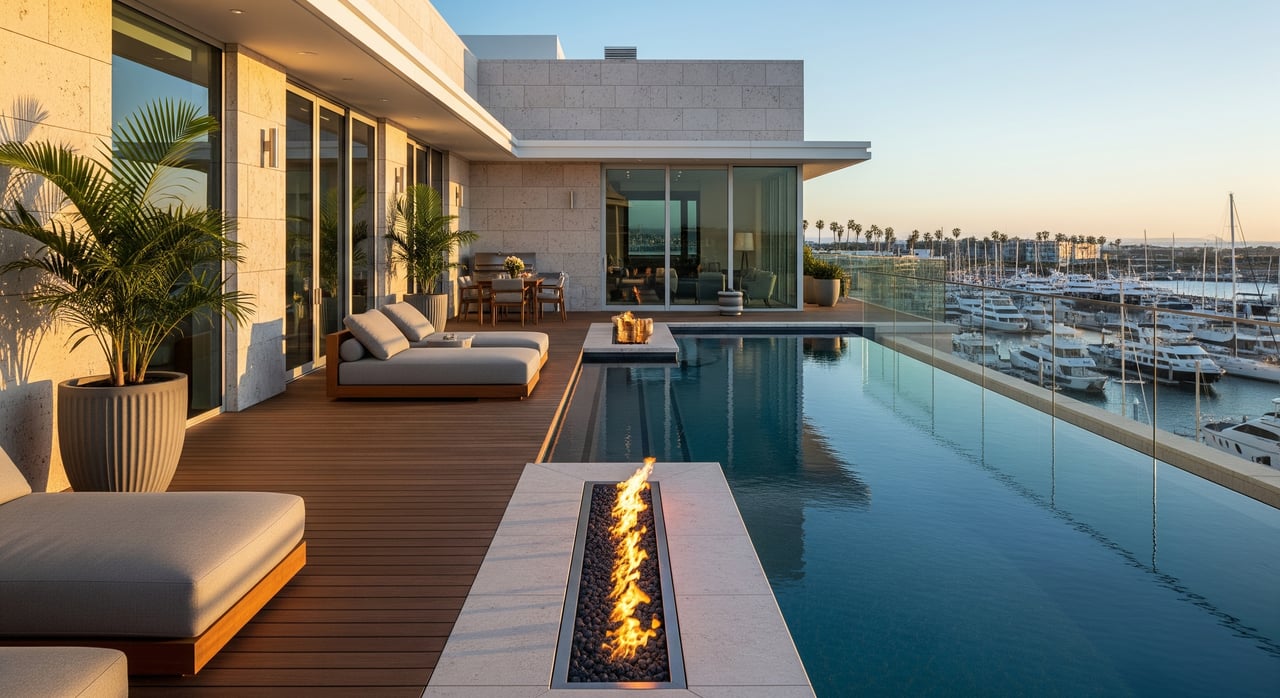
Water is the heart of Marina del Rey. Condo communities that offer direct marina or walkway access often stand out with buyers who prioritize an active coastal lifestyle. Private or deeded boat slips are relatively scarce, and scarcity can support value. Always confirm whether a slip is deeded, assigned by the HOA, or leased through a county-managed program, and ask about transfer rules and fees.
Boat slip amenities also come with specialized maintenance and insurance needs. Docks require ongoing marine repairs, inspections and pile work. That can increase both operating costs and reserve funding needs. If you plan to use a slip, the convenience may be worth the dues, but if not, consider whether you want to pay for a feature you will rarely use.
Unobstructed harbor or ocean views remain top tier for both enjoyment and resale. These views are limited, so units that have them can command premiums. On the community side, rooftop decks, common terraces and BBQ areas are popular gathering spots that enhance daily life. Ask about reservation rules, guest limits and any fees for private events.
Pools, hot tubs and saunas are common in Marina del Rey condo buildings. They provide year-round relaxation and social time. They also carry higher operating costs, including heating, filtration and chemical service. Well-maintained facilities support appeal, while deferred maintenance risks higher dues or special assessments later.
On-site gyms and studios offer convenience and are broadly appealing in an active coastal market. Equipment needs replacement over time, so the HOA’s replacement plan matters. Ask when the last upgrades occurred and how often equipment is cycled. Cleanliness, ventilation and hours of operation also affect usability.
Staffed entry, security patrols and concierge services signal convenience and a luxury experience. These services are popular among buyers who travel often or want extra support for guests and deliveries. Payroll and benefits are significant ongoing costs, so buildings with full-time staffing typically have higher dues. Understand the hours, staffing model and what services are included.
Covered or assigned parking is the norm and is important in a busy coastal area. Guest parking and clear enforcement policies add value for day-to-day living and for entertaining. Storage lockers, bike rooms and pet facilities are practical perks buyers appreciate. EV charging stations are becoming more common and can improve near-term resale as adoption grows.
Elevators are essential in mid-rise and high-rise buildings and require regular inspections and periodic overhauls. On-site management and maintenance teams can improve responsiveness and overall building care. Both contribute to operating costs and reserves, so review how these services are staffed and funded.
HOA dues fund two buckets: daily operations and long-term reserves. Operations cover common-area utilities, janitorial service, routine repairs, staff payroll, landscaping, and insurance. Reserves fund future capital projects like roof replacement, elevator overhauls, dock repairs and major mechanical systems. More or complex amenities increase both buckets.
Certain amenities are high-cost drivers. Boat slips and docks need specialized marine work and added insurance. Heated pools and hot tubs require significant energy and filtration. Elevators need inspections and major service on a cycle. Staffed security or concierge programs add ongoing payroll to the budget.
Other features sit in the middle. Fitness centers require periodic equipment replacement and maintenance. Rooftop decks and landscaped terraces need care and occasional resurfacing. Shared HVAC for amenity spaces also adds to utilities.
Some amenities are lower impact. Community rooms, basic bike storage and unstaffed BBQ areas still need cleaning and utilities, but they are less intensive than docks, pools or staffing. Even so, poor maintenance or outdated systems can raise costs later.
Waterfront buildings can face higher insurance premiums. There may be additional marine liability for docks and slips. Flood zone status can also affect premiums and lending. Ask to review the HOA’s master insurance policy, any recent claims, and whether flood insurance is required for your loan.
Reserve health is critical. Amenity-rich buildings with underfunded reserves are more likely to levy special assessments for big projects. Look for a recent reserve study and a clear schedule for planned work such as roofing, elevator service or dock replacement. Healthy, ongoing reserve contributions help reduce risk and stabilize dues.
Amenities that match Marina del Rey’s lifestyle tend to deliver the strongest marketability. Waterfront access, boat slips, water views and outdoor terraces are prime differentiators. Security, parking and well-kept fitness centers also have broad appeal across buyer groups.
Scarcity matters. Private or deeded slips, unobstructed views and direct marina walkway access are limited, which can support higher pricing. The flip side is that high dues must be justified by regular use and lasting desirability.
Condition and usability are key. Fresh, clean, modern amenities attract buyers. Outdated or poorly maintained facilities undercut value and can raise concerns about future costs. If you are an investor, consider rental restrictions, security, and parking, since these can influence renter demand and lender acceptance.
Lenders and appraisers factor in HOA stability. Weak reserves, pending litigation, or high delinquency rates can restrict financing options. Stable financials and clear rules help keep your buyer pool broad, which supports resale.
Use this checklist when you evaluate a Marina del Rey condo with amenities:
If you are selling, highlight features that align with Marina del Rey buyer demand. Water access, slips, views and outdoor terraces rank high. If your building has modern fitness, EV charging or strong security, showcase how these amenities support daily convenience.
Provide clarity and documentation. If a slip is included, spell out whether it is deeded or leased and the transfer process. Share the HOA’s most recent budget summary and reserve study if available to show financial stability. Clean, well-presented common areas and clear usage rules help buyers picture an easy transition.
Coordinate with your agent to position HOA dues. Higher dues can be reframed when amenities are robust, well maintained and clearly valued by the buyer pool. The goal is to help buyers see both the lifestyle and the long-term care behind the numbers.
In Marina del Rey, the best condo amenities blend coastal lifestyle with daily convenience. Focus on the features you will use, confirm the true costs behind them, and make sure the HOA’s financial health supports the experience you want. With the right guidance, you can buy or sell with confidence and enjoy the harbor life that drew you here in the first place.
When you are ready to tour options or position your condo for sale, connect with Stacy Young for local, high-touch guidance backed by decades of Westside experience.
Stay up to date on the latest real estate trends.

Get assistance in determining current property value, crafting a competitive offer, writing and negotiating a contract, and much more. Contact me today.