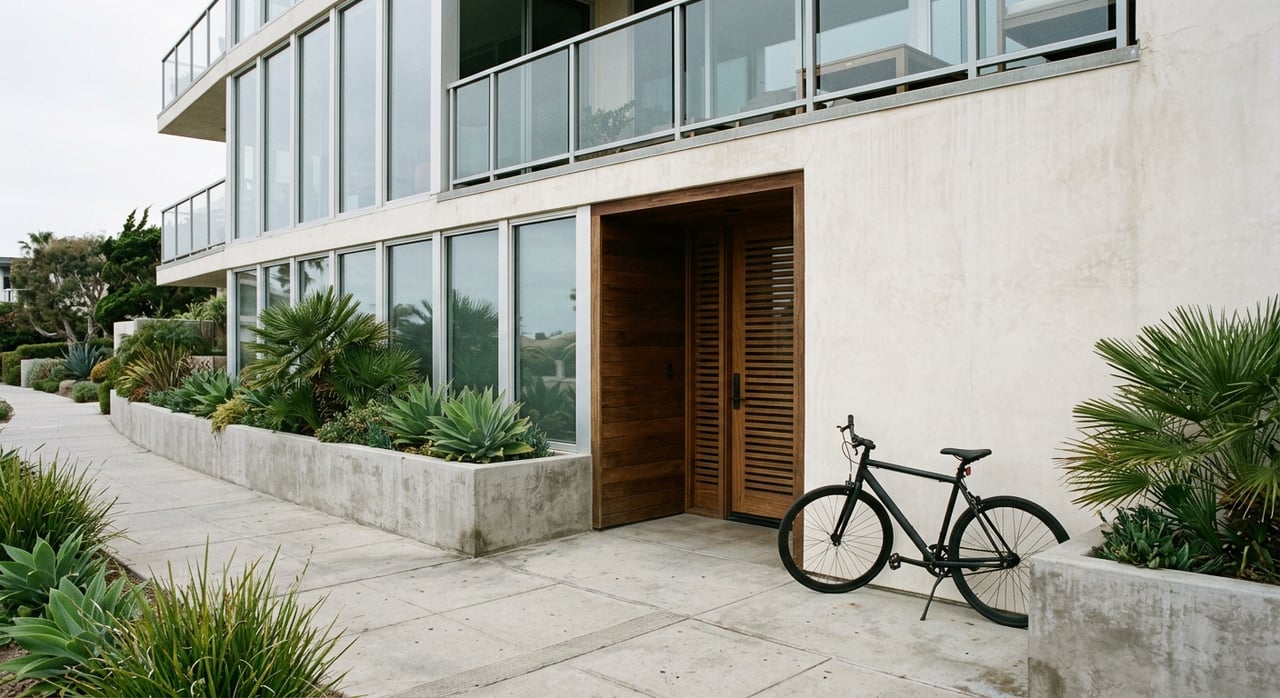
Car-Free Living in Santa Monica: A Buyer’s Guide
If you have ever wondered whether you can live in Santa Monica without depending on your car every single day, the short answer is yes, in the right location and with the right expectations. For many buyers, that idea sounds appealing but also a little vague, especially if you are trying to picture daily errands, commuting, groceries, and beach time in real life. This guide will show you what car-light living in Santa Monica actually looks like, where it works best, and what to look for in a home if that lifestyle matters to you. Let’s dive in.
Santa Monica is unusually compact for a beach city. The city says it spans 8.3 square miles and has about 93,000 residents, with the daytime population rising to around 250,000 people. That size, combined with concentrated commercial areas and multiple ways to get around, helps make car-light living practical in parts of the city.
The key idea is this: car-light does not have to mean car-free. In Santa Monica, many residents can combine walking, biking, bus service, rail access, and occasional driving instead of relying on a car for every trip. That can feel very different from more car-dependent parts of greater Los Angeles.
Downtown Santa Monica is the clearest fit for a car-light lifestyle. Metro’s Downtown Santa Monica Station area analysis reports a Walk Score of 93, a Transit Score of 85, and a Bike Score of 77. It also identifies a half-mile area with grocery stores, restaurants, retail, services, library access, and a dense jobs-housing mix.
In everyday terms, that means you may be able to stack multiple parts of your day into one walkable outing. A coffee run, grocery stop, lunch meeting, transit connection, and beach walk can all happen without getting behind the wheel. If you want the strongest version of car-light living in Santa Monica, Downtown is where most buyers start.
The Third Street Promenade adds to that appeal. The city describes it as a pedestrian street in the heart of Downtown Santa Monica, just moments from the beach, and notes its twice-weekly farmers markets. That kind of pedestrian-first setting can make daily life feel easier and more connected.
Main Street and Ocean Park also support car-light routines, but in a more neighborhood-scaled way. The city describes Main Street as a place for al fresco dining and pedestrian plazas, which supports an environment where walking and biking feel natural for shorter trips. It is a good example of a corridor where lifestyle and convenience intersect.
Ocean Park Boulevard offers a different version of access. According to the city, the corridor includes 4 public schools, 2 libraries, and 3 commercial districts, along with bike-lane and pedestrian-safety upgrades. For buyers who want a residential feel while staying connected to daily essentials, this part of Santa Monica can be a strong match.
Santa Monica’s convenience is not spread evenly across every block. The city identifies Downtown Santa Monica, Main Street, Montana Avenue, Pico Boulevard, and corridors such as Wilshire, Santa Monica Boulevard, Lincoln, Ocean Avenue, and Ocean Park Boulevard as key commercial districts or economic clusters.
That matters when you are home shopping. A property’s distance to one of these corridors may shape your daily routine more than the zip code alone. In practical terms, homes closer to these nodes are usually a more natural fit for car-light living.
Big Blue Bus is the backbone of everyday transit in Santa Monica. The current routes and schedules page says the system runs 7 days a week and can take riders throughout Los Angeles. It also lists Santa Monica-focused routes along Main Street and Santa Monica Boulevard, Wilshire Boulevard, Lincoln Boulevard, Pico Boulevard, Ocean Park Boulevard, and Montana Avenue.
For local residents, that means many daily destinations line up with established bus corridors. If you choose a home near one of those routes, your ability to reduce driving becomes much more realistic. It is often less about giving up your car entirely and more about using it only when it truly makes sense.
Metro adds an important regional layer. The E Line serves Downtown Santa Monica Station, and Metro’s schedules show direct bus connections from Downtown Santa Monica to Malibu on Line 134 and to Downtown Los Angeles on Line 720.
That expands the meaning of car-light living beyond neighborhood errands. If your routine includes commuting or regular trips outside Santa Monica, access to rail and bus connections can make a major difference. Buyers who value flexibility often see this as one of Santa Monica’s strongest lifestyle advantages.
In Santa Monica, biking is not just for weekends. The city says bicycling is one of the best ways to get around and reports that 119 of 187 bikeway miles had been built as of 2022. The city also notes its Bike Friendly Community designation.
That infrastructure helps support everyday use. The city points residents to the Santa Monica Bike Center for rentals, lockers, and repairs, and says Metro Bike Share is available in Santa Monica. For many residents, a bike can fill the gap between a short walk and a longer transit trip.
The Marvin Braude Bike Trail adds another layer to daily life. Los Angeles County describes it as a year-round 22-mile paved coastal path. In Santa Monica, that gives you a largely car-free north-south route for recreation and short coastal trips.
This is one reason car-light living here feels distinct. Beach access, exercise, and transportation can overlap in a way that supports a more flexible routine. That is a meaningful quality-of-life factor for buyers comparing Santa Monica with other Westside locations.
If car-light living is a top priority, condos and apartments near Downtown Santa Monica are often the easiest fit. That conclusion follows from the station-area data showing high walkability, strong transit access, and nearby grocery, retail, and service uses within a half-mile of Downtown Santa Monica Station.
For many buyers, this housing type supports the fewest moving parts. You are more likely to have daily needs nearby, more likely to benefit from transit access, and more likely to feel comfortable leaving the car parked for longer stretches. In a lifestyle-driven search, that convenience can be a major selling point.
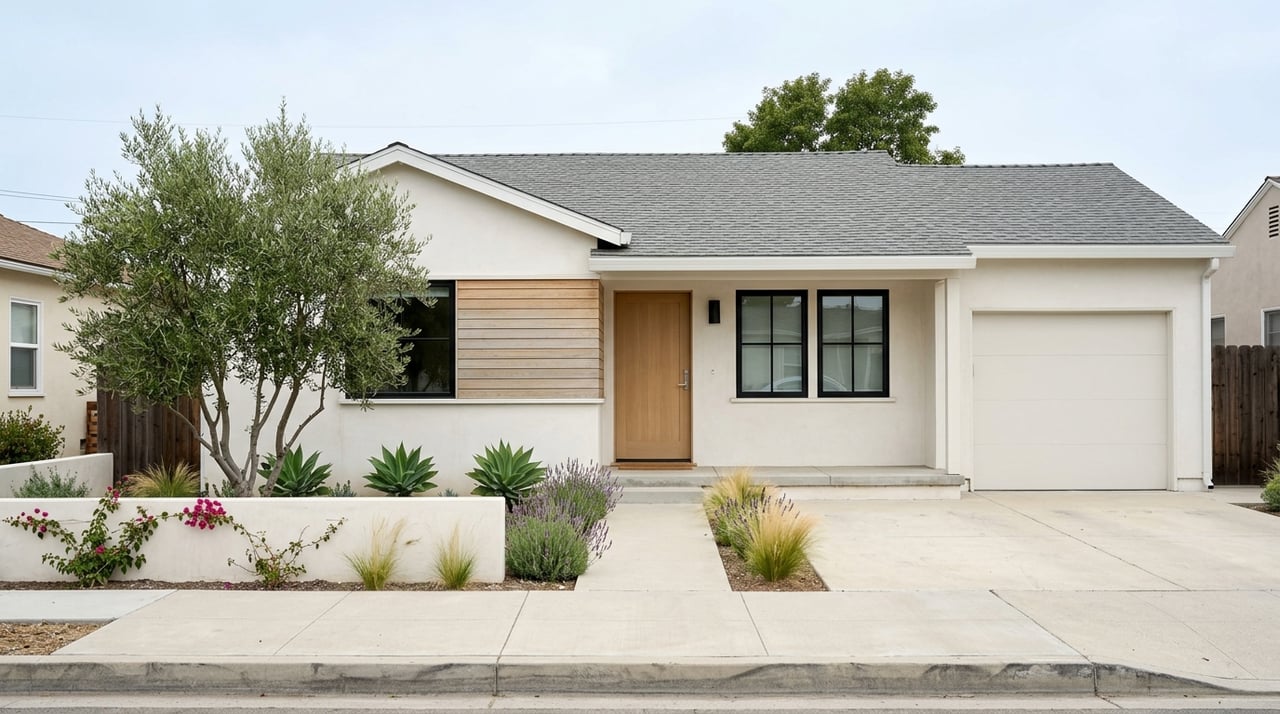
Single-family homes can absolutely support a car-light routine, but location matters even more. The best candidates are usually closer to a main corridor or neighborhood commercial node rather than tucked far from transit and services.
Ocean Park Boulevard is a useful example because it combines residential areas with schools, libraries, commercial districts, and bike infrastructure. Main Street also supports walk-or-bike arrival and periodic pedestrian plaza use. The takeaway is not that every house will work the same way, but that proximity changes the experience.
If you are shopping for a home in Santa Monica and want to drive less, focus on how the location supports your actual routine. The right home for car-light living is often the one that makes your most common trips simple.
Here are a few smart questions to ask as you compare homes:
These questions can help you move beyond the listing itself. They also make it easier to compare a beautiful home with a truly functional lifestyle location.
In Santa Monica, car-light living is usually less about making a strict rule and more about creating options. You might walk to coffee, bike to the beach, take the bus to an appointment, and still keep a car for certain workdays or weekend plans. That balance is what makes the lifestyle realistic for many buyers.
The strongest environments for that rhythm tend to be Downtown and the coastal corridor, while quieter residential blocks may still work well if you are comfortable mixing walking, biking, transit, and occasional driving. In other words, Santa Monica offers a spectrum. Your best fit depends on how you want your daily life to function.
If you are weighing neighborhoods, condos, or single-family options in Santa Monica, local context matters. The right street, corridor, or station area can shape your routine in a big way. When you want expert guidance on matching a home to your lifestyle goals, Stacy Young can help you navigate Santa Monica with clarity and confidence.
Stay up to date on the latest real estate trends.
Get assistance in determining current property value, crafting a competitive offer, writing and negotiating a contract, and much more. Contact me today.