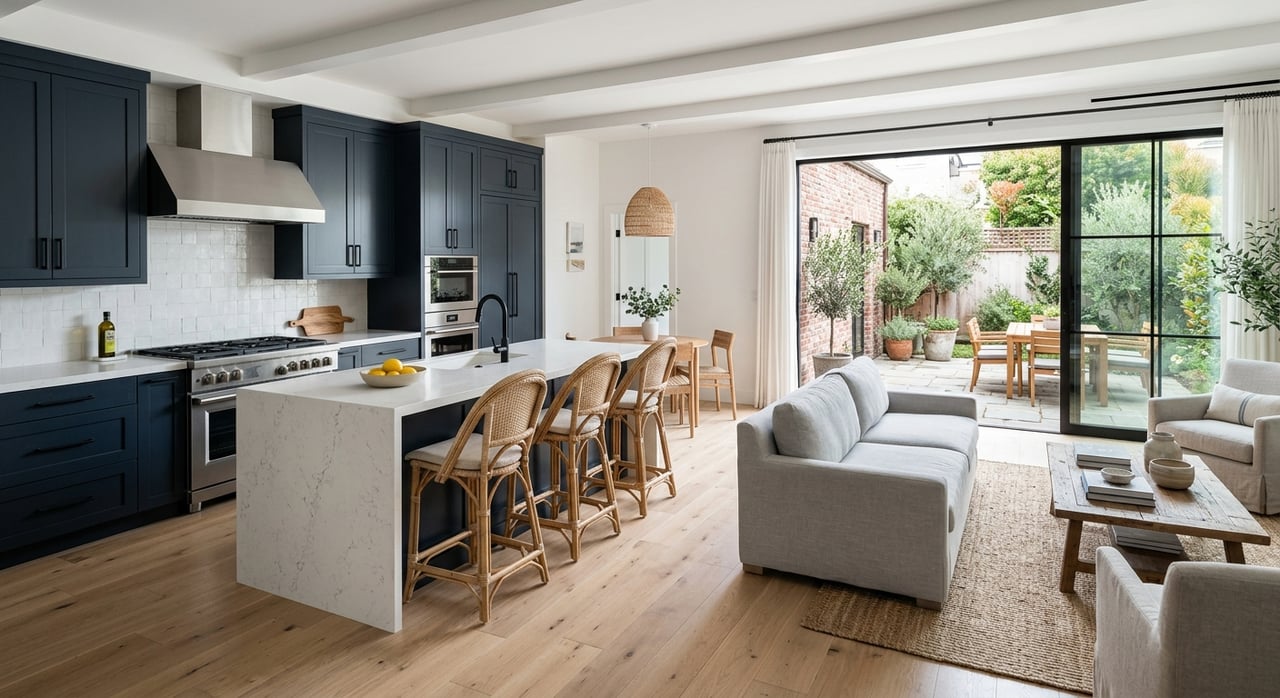
Venice Home Styles: Bungalows, Lofts And Modern Builds
Wondering why Venice homes can feel so different from one block to the next? That mix is part of what makes buying here exciting, but it can also make your search more complicated. If you are comparing a bungalow on a walk street, a loft-style space, or a modern build near the coast, it helps to understand how Venice developed and what shapes these homes today. Let’s dive in.
Venice does not read like a one-style neighborhood because it was built in layers. According to the City, its subdivision pattern still reflects the original canal system and rail lines, with lots ranging from less than 3,000 square feet near the beach to about 5,000 square feet closer to Lincoln Boulevard.
That physical layout helps explain why you see such a varied housing mix. The Venice Community Plan describes a blend of single-family homes, multi-family dwellings, mixed-use buildings, and live/work artist studios and workshops.
There is also a regulatory side to Venice architecture. The City says the current Venice Community Plan was adopted in 2000 and is being updated, while the Venice Coastal Zone Specific Plan and Local Coastal Program add coastal rules beyond standard zoning.
If you picture classic Venice charm, you are probably thinking of a bungalow. These homes are often compact, one-story, and porch-forward, with Craftsman or Spanish Colonial Revival details.
Historic examples help show how this style took root. The Irvin Tabor Family Residences in Oakwood include eight buildings around a central courtyard, including five one-story bungalows. The property is also historically significant as one of the first residential properties in Venice built by and for African Americans.
Venice also has a strong bungalow-court tradition. Marco Place Court is a six-unit bungalow court accessed by a pedestrian-only walk street, with front buildings facing the path and garage access from the rear.
That pattern still matters today. In the Venice Coastal Zone Specific Plan, the City encourages ground-floor entrances, frequent windows facing the walk street, and design features like front porches, bays, and balconies for projects on walk streets.
The same plan keeps vehicle access off the walk street and caps those projects at 28 feet. As a result, many walk-street homes trade front-driveway convenience for a more pedestrian-scaled, intimate feel.
In practical terms, bungalow and walk-street homes often prioritize the front porch, small garden, and relationship to the street. Existing gardens and patios in the public right-of-way also help create a transition between public pathways and private homes.
For you as a buyer, that can mean a home that feels connected to its setting rather than separated by a garage-forward facade. The trade-off is usually a tighter lot and less emphasis on large private yards.
In Venice, the word “loft” can mean more than an old warehouse conversion. The community plan notes a concentration of industrial structures that house artist galleries and live/work studios, which gives the neighborhood a creative and flexible housing layer.
This is one reason loft-style homes in Venice can look very different from lofts in other parts of Los Angeles. Some are tied to mixed-use or artist-oriented buildings, while others are highly architectural residences with open, flexible layouts.
A good example is the Gagosian Art Gallery and Apartments, which presents as an industrial building from the street but opens to a circular interior courtyard under the sky. The Indiana Avenue Houses, also known as the Arnoldi Triplex, are another example, described as separate, loft-like two-story units.
Loft and live/work spaces often appeal to buyers who want openness and flexibility. If you like a more urban feel, fewer rigid room divisions, and a home that can support different uses, this category may stand out.
The trade-off is usually less conventional separation between rooms and less private yard space than you would typically find with a bungalow or detached house. That makes layout priorities especially important when you tour these properties.
Modern and contemporary homes are a major part of the Venice housing story. Many are designed for narrow lots, coastal light, and privacy, which gives them a very site-specific feel.
The Los Angeles Conservancy points to several Venice examples that show this clearly. The Norton Residence uses three offset levels and places sleeping areas toward the rear for privacy, while a small front studio on a post faces the ocean.
Other examples push the form further. The Delmer Residence adds a rear volume and roof deck on a very small lot, while Caplin House uses a wave-shaped roof and a central atrium that functions like a courtyard.
These homes are not just modern by style. They are also shaped by Venice’s planning context.
The Venice Coastal Zone Specific Plan says walk-street projects may not exceed 28 feet, and vehicle access on walk streets must come from other streets or alleys. That often leads to rear-set garages, vertical floor plans, and carefully composed facades.
For buyers, the upside is often strong natural light, privacy, and dramatic indoor-outdoor design. The trade-off is that these homes are often highly tailored to their lot and location, so no two feel quite the same.
If you are deciding between these home types, it helps to focus on how you want to live day to day.
| Home style | Often appeals for | Common trade-off |
|---|---|---|
| Bungalow / walk street | Porch life, pedestrian scale, strong street presence | Smaller lots, rear-access parking |
| Loft / live-work | Open plans, flexibility, urban feel | Less room separation, less yard space |
| Modern build | Light, privacy, sculptural design | More site-specific layouts and planning constraints |
No one style is universally better. The right fit depends on whether you value charm, flexibility, privacy, outdoor space, or a stronger connection to the street.
Style is only part of the decision in Venice. Location within the neighborhood matters just as much.
The City notes that only a few of the original canals remain, while many were filled in and some became part of the walk-street system. It also emphasizes preserving walk streets and maintaining landscaped public access to the beach, which means the look and function of different areas are shaped by both history and policy.
There is also a long-term coastal factor to keep in mind. The City says the Venice Local Coastal Program will place special emphasis on sea level rise and climate change, and it identifies the beach area and canal system as particularly vulnerable.
That does not mean one home style is automatically the best choice. It does mean that when you compare homes in Venice, you should look at the property type and the specific location together.
When you tour homes in Venice, try to look beyond finishes and staging. Pay attention to the lot shape, how the home meets the street, where parking is located, and how much of the layout is driven by vertical design.
It also helps to think about your daily routine. If you want a porch-forward home with a strong pedestrian setting, a bungalow or walk-street property may feel right. If you want openness and flexibility, a loft-style space may fit better. If you want privacy, light, and architectural impact, a modern build may rise to the top.
Venice is one of those neighborhoods where local context matters on every block. Working with an agent who understands the housing mix, planning backdrop, and lifestyle trade-offs can make your search much clearer.
If you are exploring Venice homes and want neighborhood-first guidance tailored to your goals, connect with Stacy Young for expert Westside insight and personalized support.
Stay up to date on the latest real estate trends.
Get assistance in determining current property value, crafting a competitive offer, writing and negotiating a contract, and much more. Contact me today.