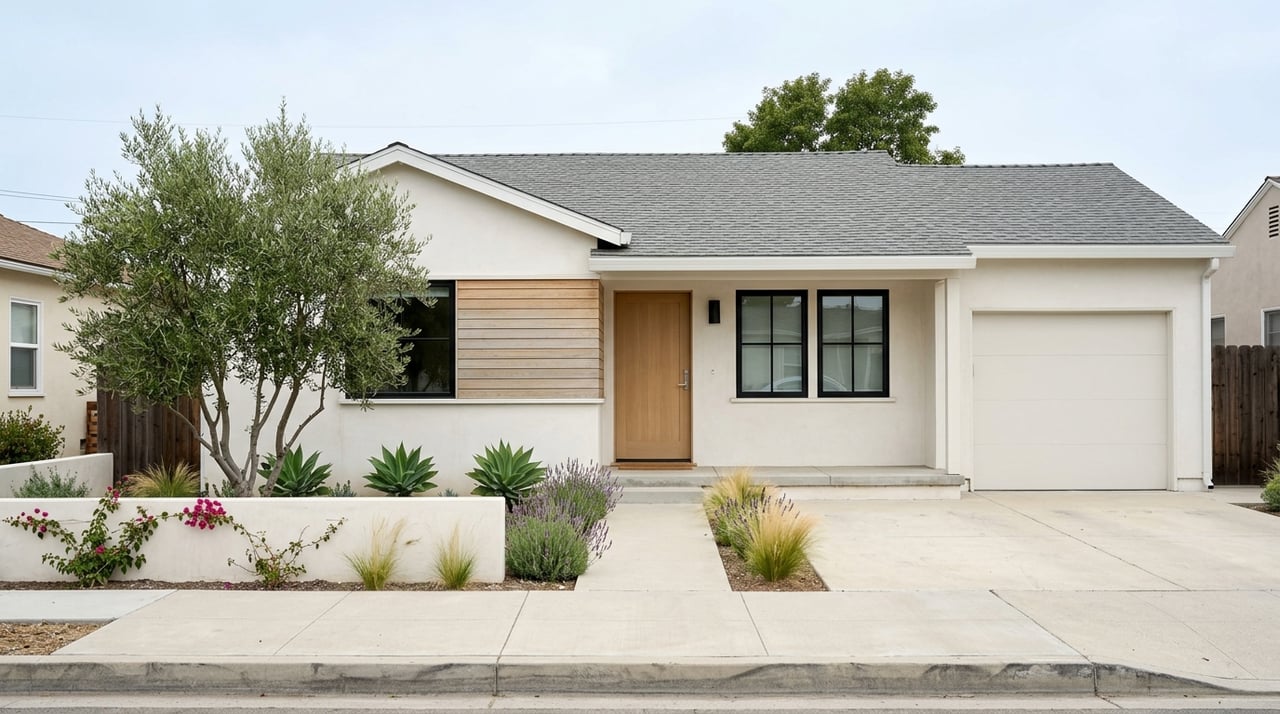
Your Guide to the Culver City Lifestyle Today
If you want a Westside location that puts daily convenience and creative energy close to home, Culver City deserves a serious look. You may be weighing commute options, walkability, housing style, and whether a neighborhood will actually fit the way you live. The good news is that Culver City offers a rare mix of studio-adjacent activity, dining, shopping, transit access, and residential variety in a compact footprint. Let’s dive in.
Culver City packs a lot into just 5.11 square miles. The city has about 40,000 residents and is known for a small-town feel, a growing high-tech and creative economy, and a downtown with restaurants, live theater, and art galleries.
That combination helps explain why so many buyers and renters keep Culver City on their shortlist. You get a Westside location near Santa Monica, Beverly Hills, and LAX, along with a community that feels active without being spread out.
City and Census data also show a market with meaningful buying power and strong housing values. Recent figures note a median household income of $117,389, a median owner-occupied home value of $1,142,900, a median gross rent of $2,737, and a mean travel time to work of 26.7 minutes.
One of Culver City’s defining features is how closely everyday life connects with the entertainment and creative economy. Sony Pictures Studios is located at 10202 W Washington Blvd, and The Culver Studios sits at 9336 W Washington Blvd in the heart of downtown.
Downtown Culver City is also described as being book-ended by Sony Pictures Studios and The Culver Studios, with Amazon MGM Studios in the mix. For you, that means studio presence is not just a piece of local history. It is part of the rhythm of the area today.
In practical terms, that can shape the feel of nearby streets, cafes, and lunch spots during the day. The research supports the idea that Culver City often feels busier and more daytime-oriented than some nearby residential pockets, especially around the downtown core.
If being able to step out for coffee, dinner, or errands matters to you, downtown Culver City is a major draw. The Downtown Culver City Business Association describes the area as a district of outdoor cafes, unique shops, nightlife, and tree-lined boulevards.
The Culver Steps adds another layer to that experience. It brings chef-driven restaurants, a public plaza, outdoor movies, concerts, and convenient access to the E Line.
The city also supports outdoor dining along parts of Culver Boulevard, Washington Boulevard, and Main Street. That helps reinforce the open-air, walk-around atmosphere many people want when they picture a Westside lifestyle.
For a more routine weekly stop, the Culver City Farmers Market operates year-round on Main Street every Tuesday from 2 PM to 7 PM. If you like neighborhoods where grocery trips, casual meals, and community events can blend into one outing, that is a meaningful plus.
Culver City offers more than restaurants and retail. The city’s arts listings include the Kirk Douglas Theatre, Ivy Substation, and The Wende Museum, which describes itself as a free art museum, historical archive, and community center based in Culver City.
Public art is also part of the local experience. The city’s Art in Public Places program dates back to 1988, and its downtown cultural walking tours booklet was updated in 2023.
That matters if you want a neighborhood that feels layered rather than purely residential or purely commercial. In Culver City, art and cultural venues are woven into the day-to-day environment, especially in and around downtown.
Downtown gets a lot of attention, but it is not the only part of Culver City worth knowing. The city recognizes the Arts District, Culver Village, and Washington West as business districts, each with its own character.
The Arts District was approved as a business improvement district in 2016 and supports banner programs, maintenance, and the annual Art Walk & Roll event. Washington West is described by the city as a corridor of artisan restaurants, creative businesses, and specialty retail.
For you, this means Culver City living is not limited to one main strip. Depending on where you land, you may be near a different blend of restaurants, creative spaces, and neighborhood-serving businesses.
Transit access is a real part of the Culver City lifestyle. Culver City Metro Station serves the E Line and local bus service, which can be valuable if you want alternatives to driving for work, events, or trips across the Westside.
Culver CityBus lists routes 1, 1C1 Downtown Circulator, 2, 3, 4, 5, 6/Rapid 6, 7, and 99. Line 1C1 specifically connects Veterans Park, Downtown Culver City, the Metro E Line, and the Arts District.
The city’s transportation department also says MOVE Culver City is designed to improve mobility along Culver and Washington boulevards downtown, as well as Sepulveda Boulevard and Jefferson Boulevard. If your priority is staying connected within a compact city and to nearby parts of Los Angeles, that is an important advantage.
Culver City can also appeal to you if you value active transportation or easy outdoor options. The city says it has three popular bike paths and continues adding on-street bike lanes.
Two standout routes are the Ballona Creek Bike Path and the Expo Bike Path. Ballona Creek runs about 7 miles to the Pacific Ocean, while the Expo Bike Path links to E Line stations, which can help with mixed bike-and-transit routines.
Culver CityBus buses are equipped with bike racks, giving you more flexibility if you want to combine cycling with public transit. That kind of setup can make daily movement feel simpler, especially in a city where short distances often make biking practical.
The parks system adds another layer. Culver City oversees 13 parks, including Culver City Park, which spans 41.55 acres and includes trail access to the Baldwin Hills Overlook, and Veterans Memorial Park, a 12.9-acre park with the Culver City Pool, Teen Center, and Veterans Memorial Building.
Housing choice is one of the most important parts of deciding whether Culver City fits your goals. City planning documents define multi-family housing to include apartments, townhouse development, senior housing, and condominiums, and note that multi-family housing is permitted in mixed-use projects.
The city also has objective design standards for multi-family and mixed-use buildings, along with standards for one- to three-unit buildings. In addition, Culver City provides an ADU handbook and pre-approved plans for accessory dwelling units on single-family lots.
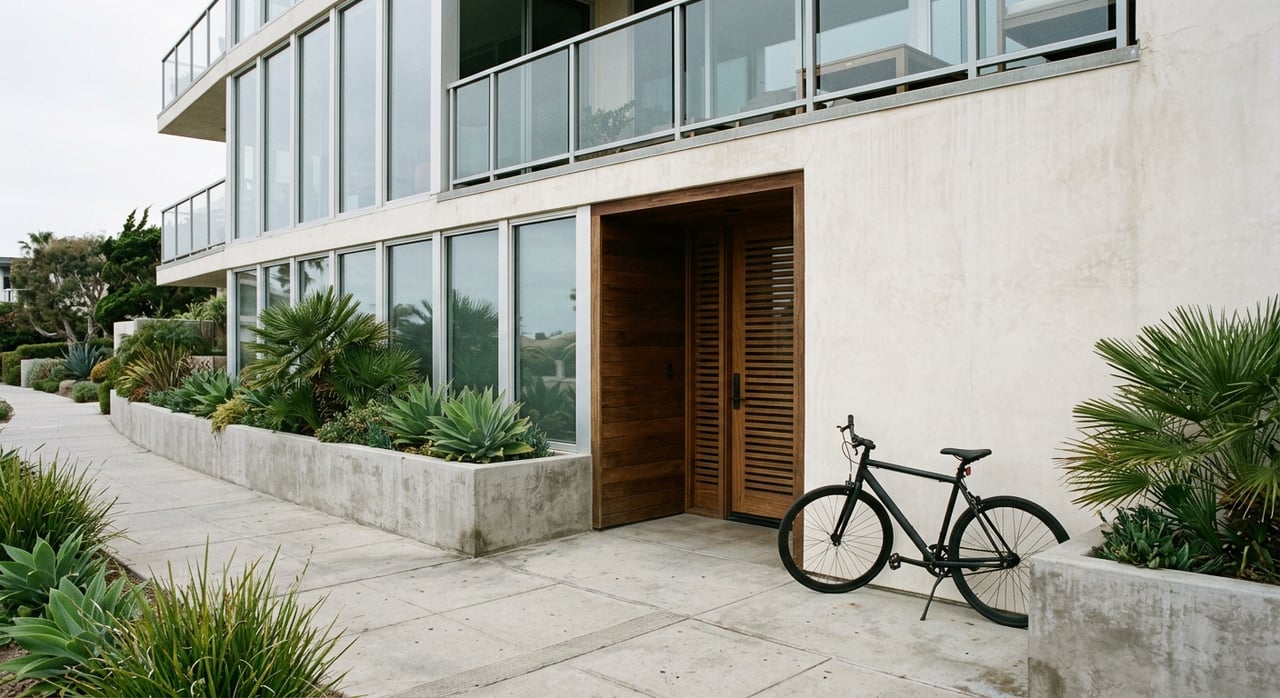
Taken together, those policies support a useful rule of thumb. Homes closest to downtown and the Expo core tend to lean more toward apartments, condos, and mixed-use buildings, while surrounding residential streets may offer single-family homes, ADU potential, and other lower-scale options.
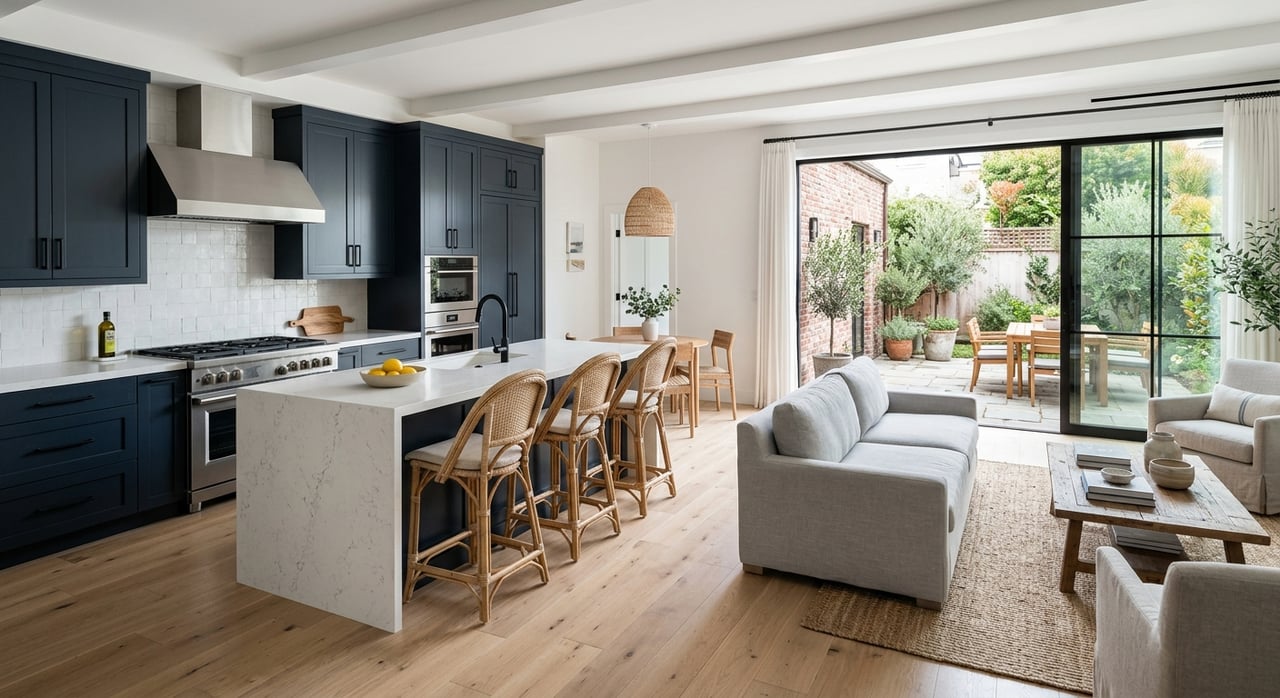
That range can be appealing whether you want a low-maintenance condo near restaurants and transit or a single-family property with more space. Citywide tenure data also points to a mixed housing market, with 54.6% owner-occupied units.
Culver City can work well for buyers and renters who want convenience built into everyday life. If you value proximity to studios, dining, neighborhood services, cultural venues, and transit, the city checks many of those boxes in a relatively compact area.
It can also suit people who want options. You may prefer the activity of a downtown-adjacent condo, or you may want a quieter residential street with easier access to parks and lower-scale housing.
The key is matching your location within Culver City to your actual routine. Where you live here can shape how often you walk to dinner, use transit, bike, or enjoy the city’s business districts and parks.
Before making a move, think about how you want your days to feel. Some areas closer to the studio and downtown core may feel more active during business hours, while other residential pockets may offer a calmer pace.
You should also weigh budget against housing type and location. With a median owner-occupied home value above $1.1 million and median gross rent of $2,737, Culver City is a market where strategy and local guidance matter.
A focused home search can help you decide what tradeoffs make sense for you. Walkability, parking, transit access, unit type, outdoor space, and proximity to your favorite parts of the city can all play a role.
Culver City may be compact, but the lifestyle can vary block by block. Being close to downtown, the Arts District, transit, or park space can create very different daily experiences, even within a short distance.
That is where experienced local guidance becomes valuable. If you are buying, selling, or exploring a move in Culver City, it helps to work with someone who understands how housing type, location, and lifestyle connect across the Westside.
If you’re ready to explore Culver City living near studios, shops, and dining, connect with Stacy Young for personalized guidance on buying, selling, leasing, valuations, and next steps on the Westside.
Stay up to date on the latest real estate trends.
Get assistance in determining current property value, crafting a competitive offer, writing and negotiating a contract, and much more. Contact me today.