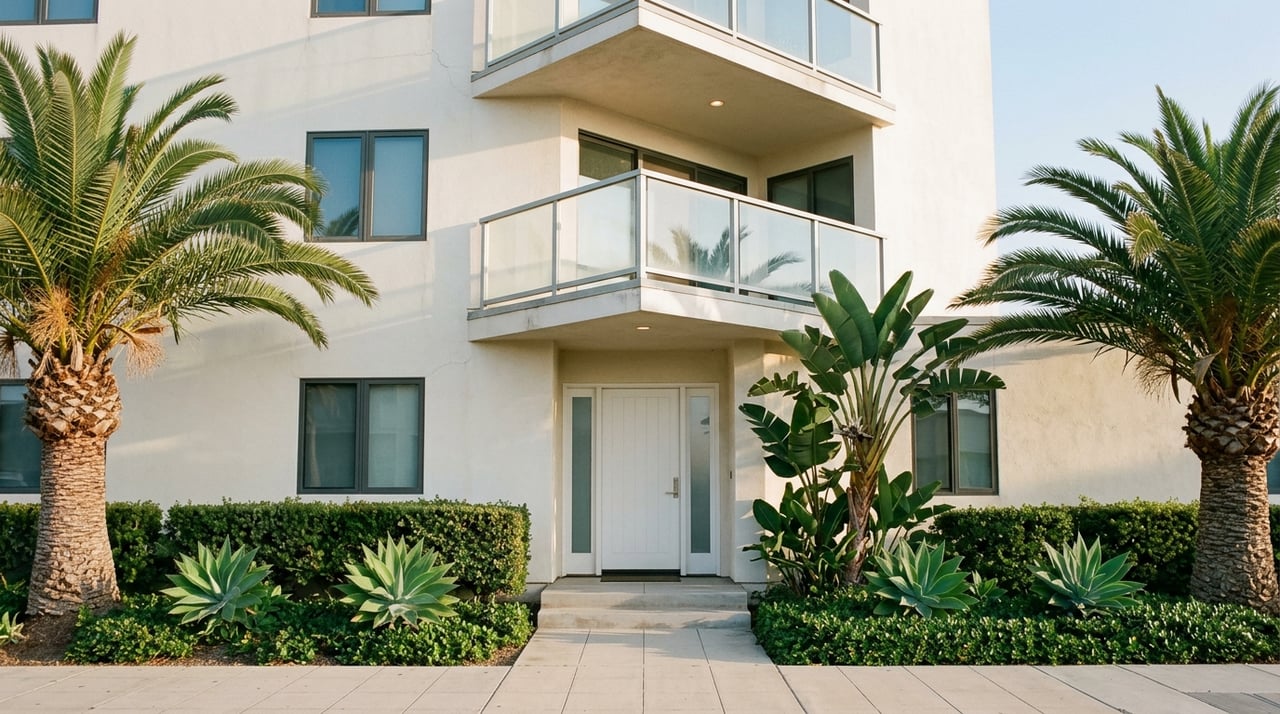
Best Time to Sell a Westside Home This Spring
If you’re thinking about selling on the Westside, timing can shape everything from buyer interest to your final sale terms. You want to list when your home has the best chance to stand out, attract serious attention, and avoid getting lost in a crowded market. The good news is that recent Los Angeles and Westside data point to a clear pattern, and understanding it can help you plan with more confidence. Let’s dive in.
For most Westside homeowners, late winter to early spring is the strongest time to prepare and list. Recent seasonality data show that the Los Angeles metro’s peak selling window arrives around March 22, while the broader national sweet spot falls in mid-April.
In the Los Angeles metro, homes listed during that March window have historically seen 20.0% more views per property, 22.2% fewer price reductions, 5 fewer days on market, and 13.9% fewer active listings than an average week. That combination matters because it suggests you may face less competition while drawing stronger buyer attention.
Spring strength also lines up with a longer trend. An analysis covering 2015 through 2025 found that seller premiums were strongest in March, April, and May, then softened later in the year. For Westside sellers, that makes spring less of a guess and more of a practical planning target.
The Westside is a high-value market, but it is also a balanced one. In March 2026, Westside LA had about 1,400 homes for sale, a median listing price of $2,797,499, a 97% sale-to-list ratio, and a median 54 days on market.
That tells you something important. Buyers still have options, so simply putting a home on the market is not enough. To get strong results, your home usually needs the right timing, thoughtful pricing, and polished presentation.
Compared with Los Angeles overall, the Westside is generally pricier and slightly slower-moving. Citywide in March 2026, Los Angeles had about 11,484 active listings, a $1.15 million median for-sale price, 47 median days on market, and a 99% sale-to-list ratio. In other words, Westside homes often require a more strategic launch.
One of the biggest mistakes sellers make is treating the Westside like a single market. It is not. Pricing and buyer behavior can vary sharply by neighborhood.
Recent Westside data show a wide spread in median listing prices, including about $3.295 million in Brentwood, $1.2965 million in Westwood, $6.499 million in Bel Air, and $2.372 million in Northeast Santa Monica. That range is a reminder that your ideal timing should reflect your specific neighborhood and price point, not just a broad Westside headline.
If similar homes are already piling up in your area, even a strong spring market can feel more competitive. If inventory is thinner in your neighborhood, a well-timed listing may have an easier path to strong attention. That is why local, neighborhood-level guidance matters so much.
For many homeowners, the real timing decision is not the day your listing goes live. It is when you begin preparing. If your goal is to hit the late-March or early-spring window, you often need to start weeks or even months earlier.
That preparation can include pricing strategy, staging coordination, minor repairs, photography, and planning your next move. On the Westside, where inventory can be more abundant and presentation matters, getting those details in place before spring can make a meaningful difference.
A simple way to think about it is to work backward from your ideal list date. If you want to be market-ready in late March, you may need to begin planning in January or February. That gives you time to make decisions without rushing.
Broader California conditions also support a thoughtful spring strategy. In April 2026, statewide sales were up 4.1% year over year, the median home price reached a record $914,810, and median days on market fell to 21.
That momentum is especially relevant for Westside sellers because homes priced at $2 million and above saw the biggest sales jump. Since many Westside properties fall into that range, this trend suggests that demand at the upper end of the market is still active when homes are positioned well.
At the same time, affordability remains a real factor. In the first quarter of 2026, only 22% of California households could afford a median-priced single-family home, and only 18% could afford the Los Angeles metro median-priced home. That means your likely buyer pool can shift quickly, especially when financing costs move.
Timing is not only about the calendar. It is also about how many buyers feel financially ready to act.
California data noted mortgage-rate volatility in late March and early April 2026. When rates move, the number of active buyers can expand or shrink quickly. For sellers, that is another reason to be prepared early. If market conditions line up in your favor, you want to be ready to launch instead of scrambling to catch up.
This does not mean you must chase every rate headline. It does mean that a prepared seller has more flexibility to respond when conditions look favorable.
You can still sell outside the spring peak, but waiting often comes with tradeoffs. By summer, there are often more listings competing for attention, and historical seller premiums tend to soften compared with March through May.
That does not mean summer or fall is a bad time in every case. A well-priced, well-presented home in a strong Westside location can still sell in any season. But if you have flexibility, spring usually offers the stronger setup.
Convenience matters too. You may be coordinating a purchase, a lease, a downsizing move, or a life transition that makes a later timeline more practical. In that case, the best move is not to force the calendar. It is to create the strongest possible strategy for the season that fits your goals.
If you’re wondering whether now is the right time to sell on the Westside, ask yourself these questions:
Your answers can help clarify whether you should list soon, start preparing now, or target a later season with a clear plan.
If you want to take advantage of the strongest seasonal window, the smartest move is usually to start earlier than you think. On the Westside, preparation, pricing, and neighborhood-level timing often matter just as much as the season itself.
That is especially true in a balanced market, where buyers have choices and well-positioned homes tend to stand out. With the right strategy, you can enter the market at a time that supports both your financial goals and your moving timeline.
If you’re thinking about selling in Brentwood, Santa Monica, Pacific Palisades, Mar Vista, Venice, Marina del Rey, Culver City, or another Westside neighborhood, working with an experienced local advisor can help you read the market at the right level. For personalized guidance, staging coordination, and a data-informed pricing strategy, connect with Stacy Young.
Stay up to date on the latest real estate trends.
Get assistance in determining current property value, crafting a competitive offer, writing and negotiating a contract, and much more. Contact me today.